"China gets up to a fifth of its imported oil from Iran and another 4 to 5% from Venezuela, often through clandestine channels to skirt United States sanctions or at least it did before recent disruptions. US President Donald Trump's move earlier this month to unseat Venezuela's longtime leader, Nicolas Maduro, redirect its oil to the US and impose 25% tariffs on Iran-linked trade has raised serious questions about energy security in the world's second-largest economy."
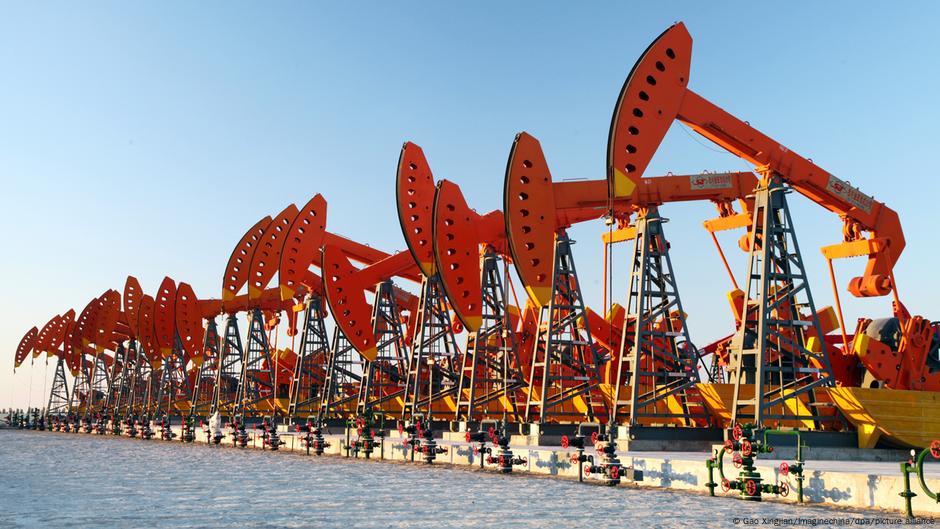
"Domestic production rose from 3.8 million barrels per day (bpd) in 2018 to around 4.32 million bpd last year. However, even the growth from new wells, including tight shale fracking, [tight oil or shale is found in impermeable shale and limestone rock deposits the ed.] could only offset the decline of China's giant legacy fields, like Daqing in northeastern Heilongjiang Province and Shengli on the eastern Yellow River Delta."
China imports up to one-fifth of its oil from Iran and 4–5% from Venezuela, often via clandestine channels to evade United States sanctions. Recent US moves to unseat Venezuela's leader, redirect its oil to the United States and impose 25% tariffs on Iran-linked trade triggered price spikes and concerns about supply disruptions. US seizures of Venezuela-linked tankers could further reduce flows. Most imports transit the narrow, congested Malacca Strait, a strategic chokepoint patrolled by the US Navy. Domestic production rose modestly from 3.8 million bpd in 2018 to about 4.32 million bpd, with new shale wells only partly offsetting declines in legacy fields like Daqing and Shengli.
Read at www.dw.com
Unable to calculate read time
Collection
[
|
...
]