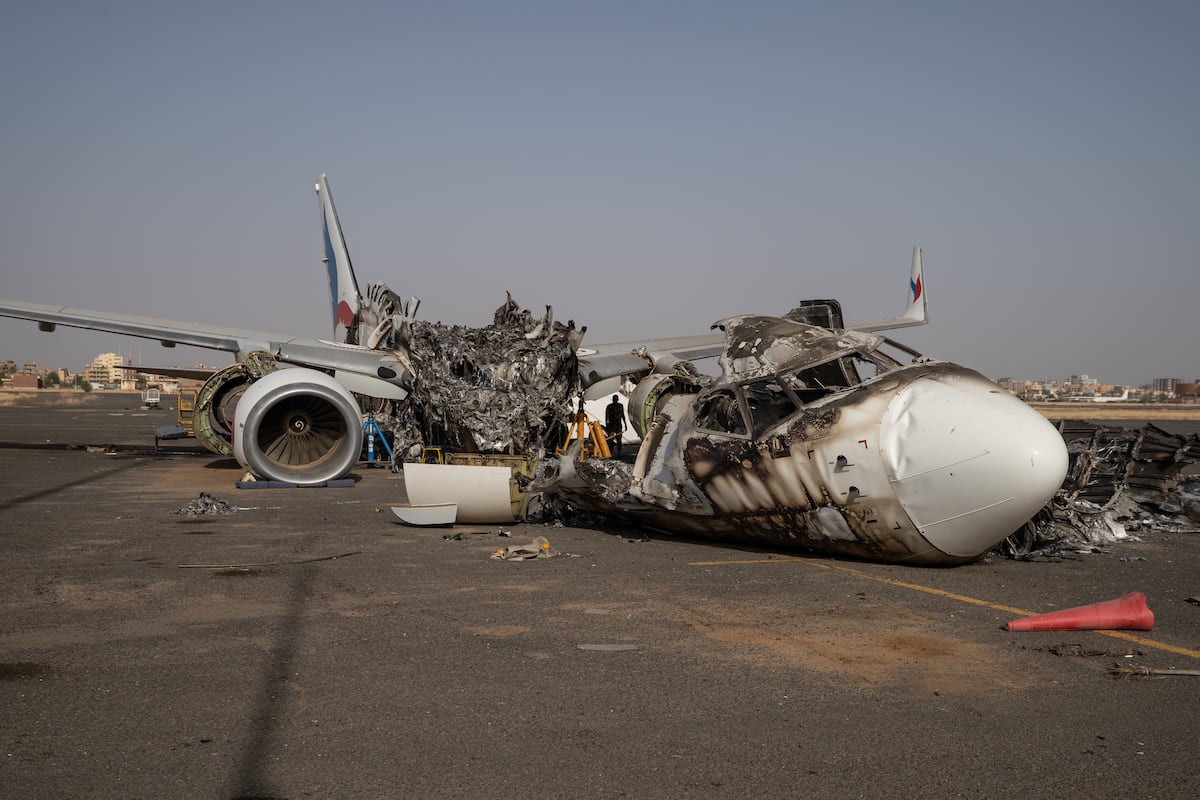
"In 2025, the RSF, which receives substantial support from the United Arab Emirates, evolved from a predominantly ground force to one with a significant air power projection, enabling it to challenge the Sudanese regular army's traditional air superiority. This reconfiguration has also led the conflict into a more sophisticated phase, with serious consequences for the civilian population. The main factor in this shift in the balance of power has been unmanned aerial vehicles (UAVs)."
"The RSF, for its part, has primarily deployed versatile drones of Chinese design, such as the FH-95 and CH-95, at least some of which were manufactured in Serbia and likely supplied to the group by Abu Dhabi. In 2025, the conflict monitoring organization ACLED recorded 472 drone attacks by the two main warring factions in Sudan, a marked increase from 277 the previous year."
Combat drones have reshaped the Sudan war, allowing the Rapid Support Forces (RSF) to project air power and contest the Sudanese regular army's dominance in the skies. The RSF receives substantial support from the United Arab Emirates, enabling acquisition and local production of Chinese-design FH-95 and CH-95 drones, some manufactured in Serbia. The army operates Turkish Bayraktar TB2 and Akinci drones, Iranian Mohajer aircraft, and domestically developed Safaroog models with roughly 370-mile range. Drone attacks surged to 472 in 2025 per ACLED, up from 277 the previous year, increasing civilian risk and battlefield sophistication.
Read at english.elpais.com
Unable to calculate read time
Collection
[
|
...
]