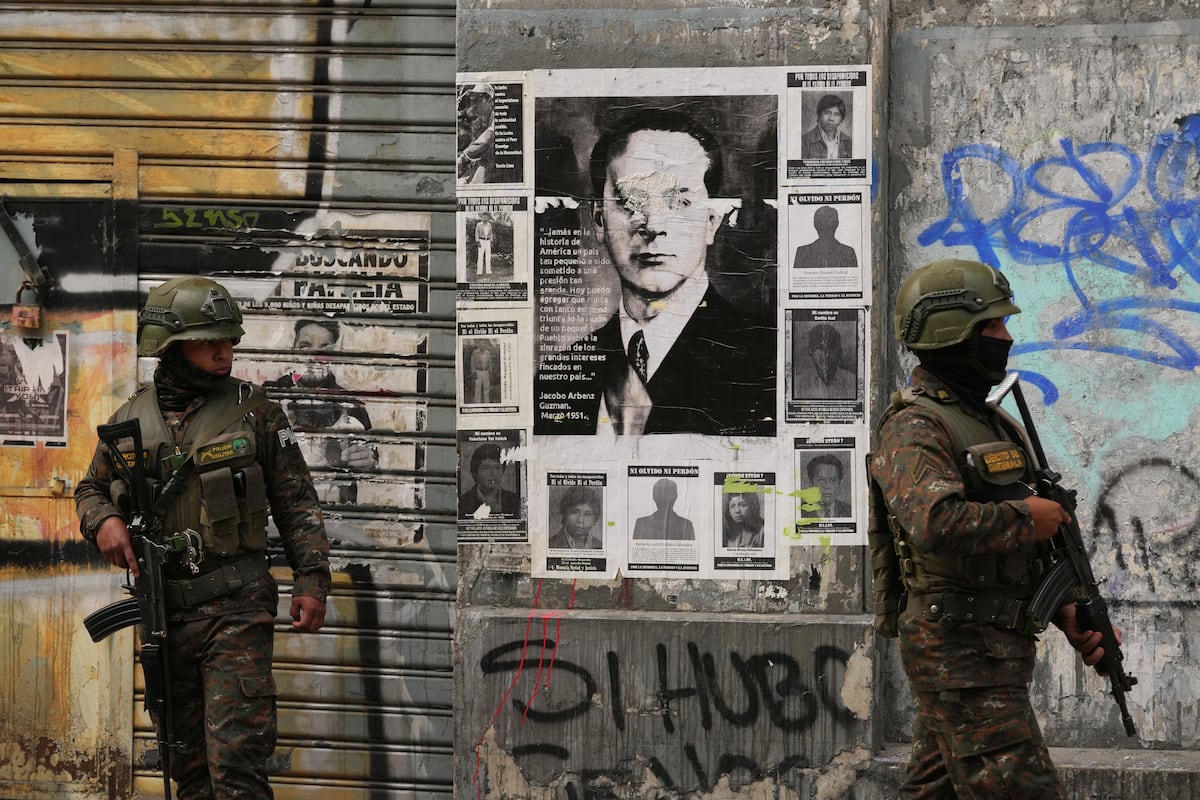
"On the main street of the capital's Alameda neighborhood, a police checkpoint stops two young men riding a motorcycle without helmets. The officers check their documents, inspect the vehicle, and after 10 minutes, detect the infraction: the exhaust noise exceeds the permitted decibel level. There's a fine. They let them go. We know the gang members aren't going to be caught at this checkpoint, admits the officer in charge of the operation."
"The offensive led Arevalo to authorize the deployment of the army to patrol the streets. However, the response is barely noticeable on the ground. Two days after the attacks, authorities reported the capture of 23 suspected gang members, 17 of whom are allegedly directly linked to the murders. The Attorney General's Office, however, has only charged one of them with minor offenses: illegal possession of a firearm and drug possession."
Violence by the Barrio 18 gang left 10 police officers dead and prompted President Bernardo Arevalo to declare a state of emergency. Gang members maintained control of three prisons, took 46 guards hostage, and forced nationwide school closures amid fears of further attacks. The president authorized army patrols, but the military presence remained barely noticeable. Security operations led to 23 arrests, with 17 suspects allegedly linked to the murders, though only one suspect faced minor charges. Checkpoints enforce minor infractions, and officers report legal limits on searching homes, highlighting weaknesses in prison, police, and justice systems.
Read at english.elpais.com
Unable to calculate read time
Collection
[
|
...
]