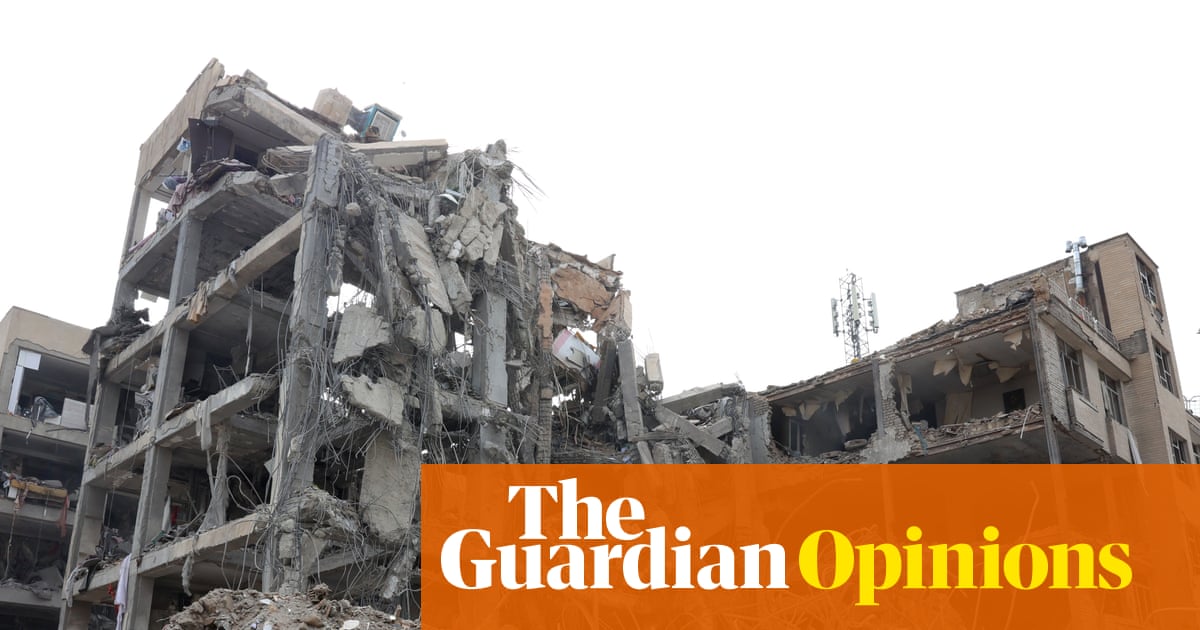
"One, for example, shows Iranian missiles exploding upon the airport in Tel Aviv, Israel. Another shows US soldiers being held at gunpoint by Iranian military. They aren't real but often made with the help of cutting-edge AI they are wildly misleading. They may get debunked, but somehow that doesn't make a dent. New fakes are popping up faster than they can be swatted down."
"The New York Times found itself forced to speak up this week after an organization charged online that a news image depicting a large crowd of people in Tehran showed signs of digital manipulation that suggested copy-paste duplication. Not so, said a Times statement posted online. This is a genuine image, taken by a journalist in Iran on Monday, March 9, 2026."
"It went on to state a larger case, that the Times does not use A.I. to generate or manipulate images to represent real events; we rely on the work of human beings to bear witness, gather the facts, and help readers better understand the world."
Deepfake videos depicting false scenarios like Iranian missile attacks and captured US soldiers proliferate on social media, often created with advanced AI technology. These fabricated videos spread faster than fact-checkers can debunk them, while simultaneously, authentic photographs from credible news sources face accusations of digital manipulation. The New York Times defended a genuine image of a Tehran crowd against claims of copy-paste duplication, emphasizing that legitimate news organizations rely on human journalists to verify and document real events rather than using AI to generate or manipulate images. This dual crisis undermines public trust in visual media and can trivialize the serious realities of conflict.
#deepfakes-and-ai-generated-content #media-misinformation-and-disinformation #digital-image-manipulation #journalism-and-fact-checking #trust-in-news-media
Read at www.theguardian.com
Unable to calculate read time
Collection
[
|
...
]