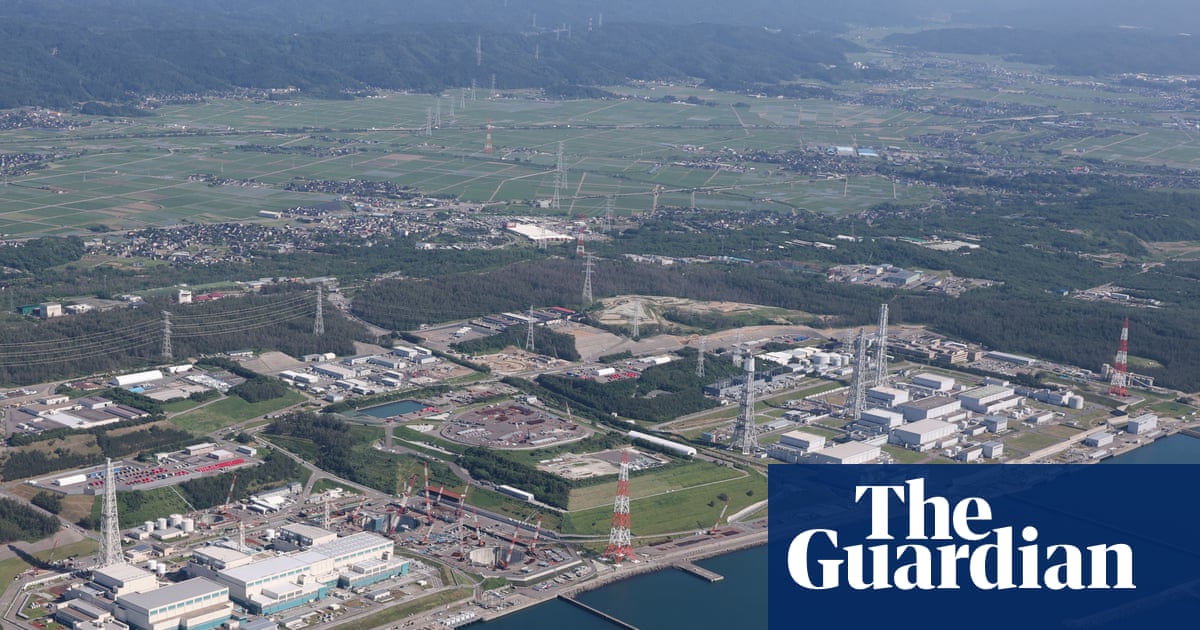
Kashiwazaki-Kariwa is the world’s largest nuclear power plant, occupying 4.2 sq km and capable of generating 8.2 gigawatts with seven reactors. All reactors have been idle since 2012 after shutdowns following the March 2011 triple meltdown at Fukushima Daiichi. The Fukushima disaster occurred when a tsunami breached defences, causing a power outage, three reactor meltdowns and about 160,000 evacuations. The tsunami and related disasters killed an estimated 20,000 people along Japan's north-east coast. Tokyo Electric Power (Tepco) runs Kashiwazaki-Kariwa and plans to restart reactor No 6, which could boost Tokyo-area electricity by about 2%. The site is heavily guarded and about 420,000 people live within a roughly 30km radius, making the restart contentious.
"The activity around the Kashiwazaki-Kariwa nuclear power plant is reaching its peak: workers remove earth to expand the width of a main road, while lorries arrive at its heavily guarded entrance. A long perimeter fence is lined with countless coils of razor wire, and in a layby, a police patrol car monitors visitors to the beach one of the few locations with a clear view of the reactors, framed by a snowy Mount Yoneyama."
"When all seven of its reactors are working, Kashiwazaki-Kariwa generates 8.2 gigawatts of electricity, enough to power millions of households. Occupying 4.2 sq km of land in Niigata prefecture on the Japan Sea coast, it is the biggest nuclear power plant in the world. Since 2012, however, the plant has not generated a single watt of electricity, after being shut down, along with dozens of other reactors, in the wake of the March 2011 triple meltdown at Fukushima Daiichi, the world's worst nuclear accident since Chornobyl."
"Located about 220km (136 miles) north-west of Tokyo, the Kashiwazaki-Kariwa plant is run by Tokyo Electric Power (Tepco), the same utility in charge of the Fukushima facility when a powerful tsunami crashed through its defences, triggering a power outage that sent three of its reactors into meltdown and forcing 160,000 people to evacuate."
Read at www.theguardian.com
Unable to calculate read time
Collection
[
|
...
]