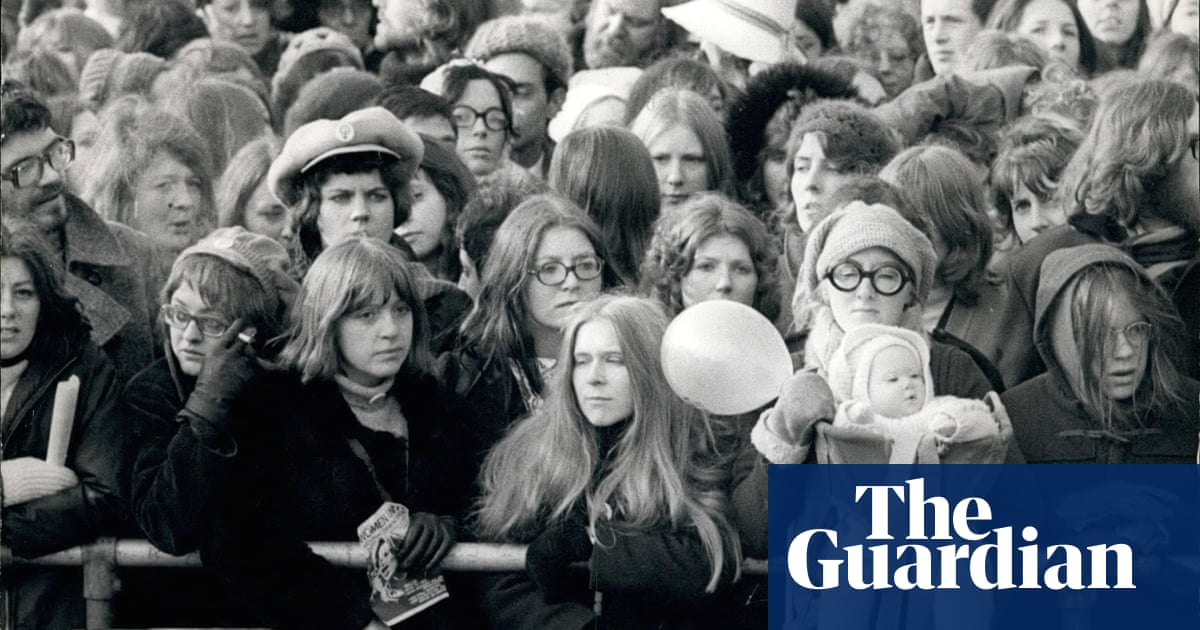
"We write as members of the women's liberation movement (WLM) since the earliest days in London in the late 1960s, and we read Susanna Rustin's long read with interest and appreciation (Pretty birds and silly moos': the women behind the Sex Discrimination Act, 18 December). We were drawn to the liberation politics of the new WLM (no membership forms available or needed)."
"The WLM was a movement, not an organisation or a party. The national women's liberation conferences that happened in those years often functioned as national consciousness-raising exercises. Rustin is so right that the struggles (we all spoke of struggles) taking place both around the law and equal rights, and among the women who considered themselves more radical, are fading from living memories via lived experiences."
Members of the Women's Liberation Movement in late 1960s London emphasize that the WLM functioned as an informal, grassroots movement rather than an organisation or party. National conferences primarily served as consciousness-raising exercises and votes typically added demands after often volatile debates. Struggles over law, equal rights, and disagreements among more radical women are fading from living memory, creating urgency to record diverse grassroots voices. A volunteer group called Howl (History of Women's Liberation) has created an online archive with stories, photos, illustrations, and resource material and requests further contributions. The wartime Air Transport Auxiliary and Pauline Gower's pioneering workplace equality and equal pay for pilots represent important but underrecognized history.
Read at www.theguardian.com
Unable to calculate read time
Collection
[
|
...
]