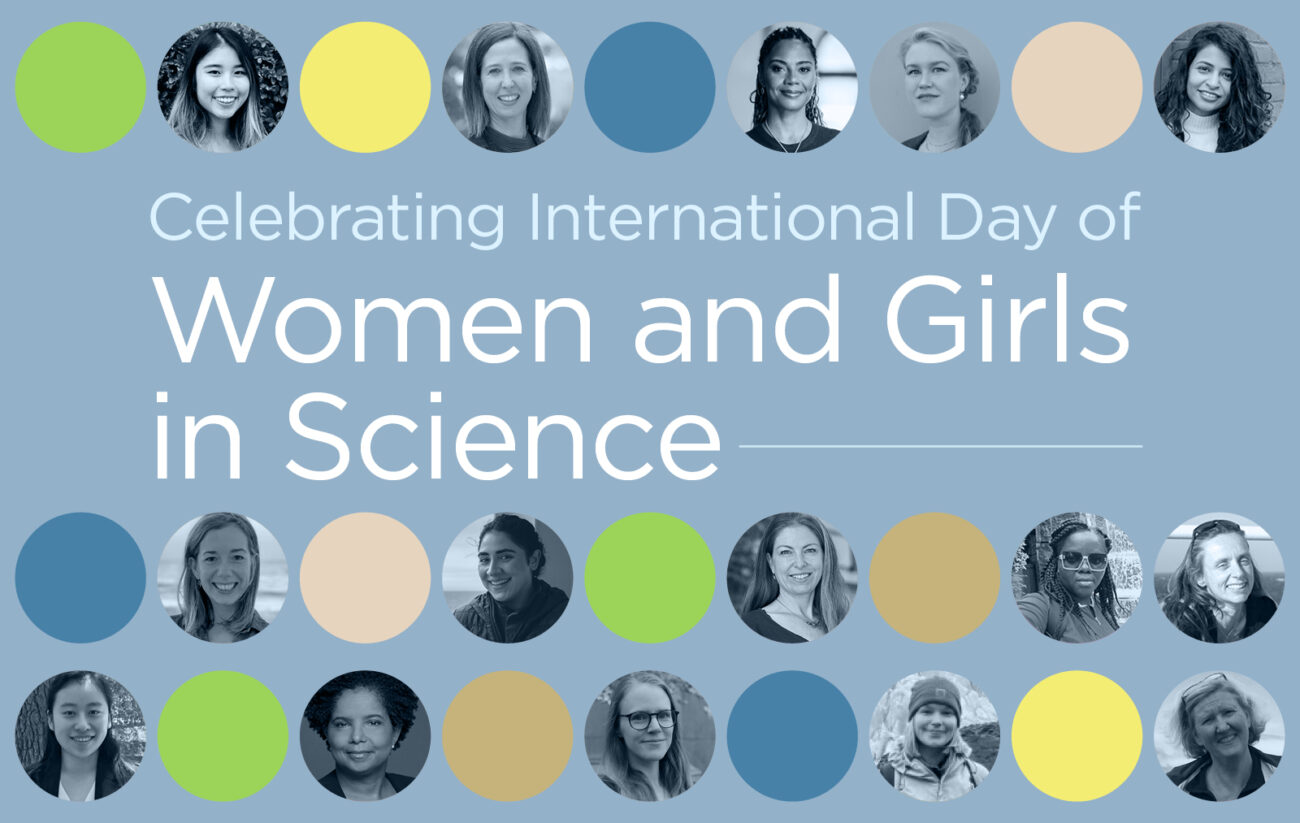
"Every February 11, the United Nations-designated International Day of Women and Girls in Science reminds us of the myriad obstacles women and girls around the world face within the STEM disciplines and the ways they continue to overcome challenges and stand out in their fields. "Today, women make up less than one third of the world's researchers," says Alexis Abramson, dean of the Columbia Climate School. "Closing this gender gap is not only a matter of fairness but is essential to further the innovation and impact of the work.""
"In honor of this year's theme, "Synergizing AI, Social Science, STEM and Finance: Building Inclusive Futures for Women and Girls," we are highlighting just some of the exceptional women researchers from the Columbia Climate School, who use today's tools to answer tomorrow's essential questions. Learn more about how these women are leading the charge toward a more sustainable future below, and keep reading State of the Planet for ongoing coverage of remarkable women scientists year-round."
"Dean Alexis Abramson explains how she applies engineering, data analytics and machine learning to help dramatically cut energy use and greenhouse gas emissions from buildings. Meet Lisa Sachs -a lawyer who specializes in how public and private investment can help achieve environmental, social and economic goals. Climate School professor Sheila Foster works with frontline communities on climate adaptation strategies. Archaeologist Kristina Douglass explains how past human adaptation can inform solutions to modern climate challenges."
February 11 is the United Nations-designated International Day of Women and Girls in Science. Women make up less than one-third of the world's researchers. Closing the gender gap in research is essential for fairness and to advance innovation and impact. The current theme, "Synergizing AI, Social Science, STEM and Finance: Building Inclusive Futures for Women and Girls," emphasizes interdisciplinary tools and inclusive approaches. Columbia Climate School researchers apply engineering, data analytics, and machine learning to cut building energy use and emissions; use legal and investment expertise to align public and private capital with environmental and social goals; work with frontline communities on adaptation; and draw on past human adaptation to inform modern solutions.
Read at State of the Planet
Unable to calculate read time
Collection
[
|
...
]