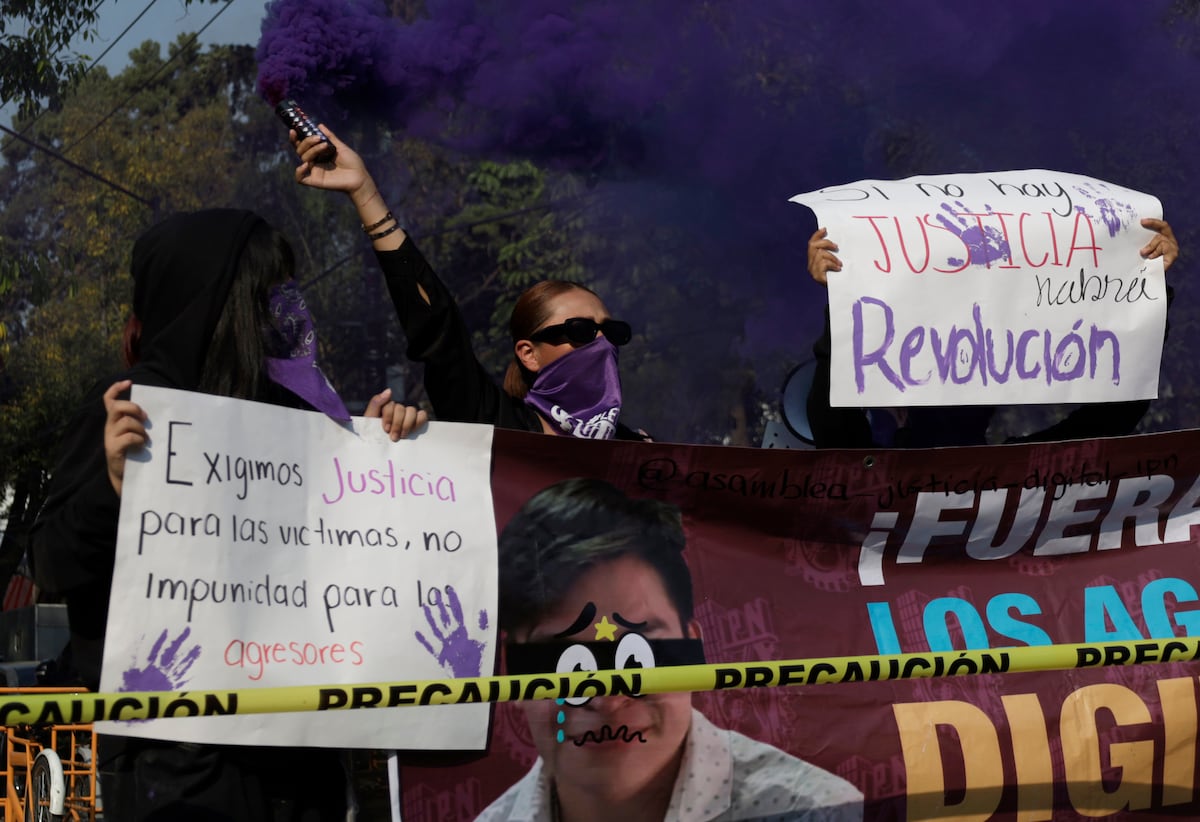
"Deepfakes, threats, doxing (disclosure of personal information), hate speech spread through troll farms and bots, the use of viral hashtags, gender-biased fake news, and the non-consensual sharing of intimate content. The landscape of digital violence against women is increasingly broad and sinister. And although it is on the rise, most Latin American countries lack legal frameworks to protect them from this type of violence, which tends to be minimized despite its serious physical and psychological consequences."
"We need only recall cases like that of Olimpia Coral, a Mexican woman who attempted suicide three times after a former partner shared intimate videos of her; or the anguish women face regarding the obstacles they encounter on digital platforms when non-consensual information continues to be disseminated. So far, only initiatives like the Olimpia Law and the Belen Law, in Mexico and Argentina respectively, have been put in place."
Digital violence against women encompasses deepfakes, threats, doxing, organized hate speech, viral hashtag campaigns, gender-biased fake news, and the non-consensual sharing of intimate content. Most Latin American countries lack comprehensive legal frameworks to address technology-facilitated gender-based violence, and victims face severe physical and psychological consequences that are often minimized. High-impact cases such as Olimpia Coral’s illustrate the life-threatening harm and the obstacles victims encounter on digital platforms. The Inter-American Model Law to Prevent, Punish, and Eradicate Technology-Facilitated Gender-Based Violence against Women, developed by MESECVI/OAS and launched in Brazil, offers high legal standards and emphasizes obligations for digital platforms.
#digital-gender-based-violence #platform-responsibility #latin-america #non-consensual-intimate-content
Read at english.elpais.com
Unable to calculate read time
Collection
[
|
...
]