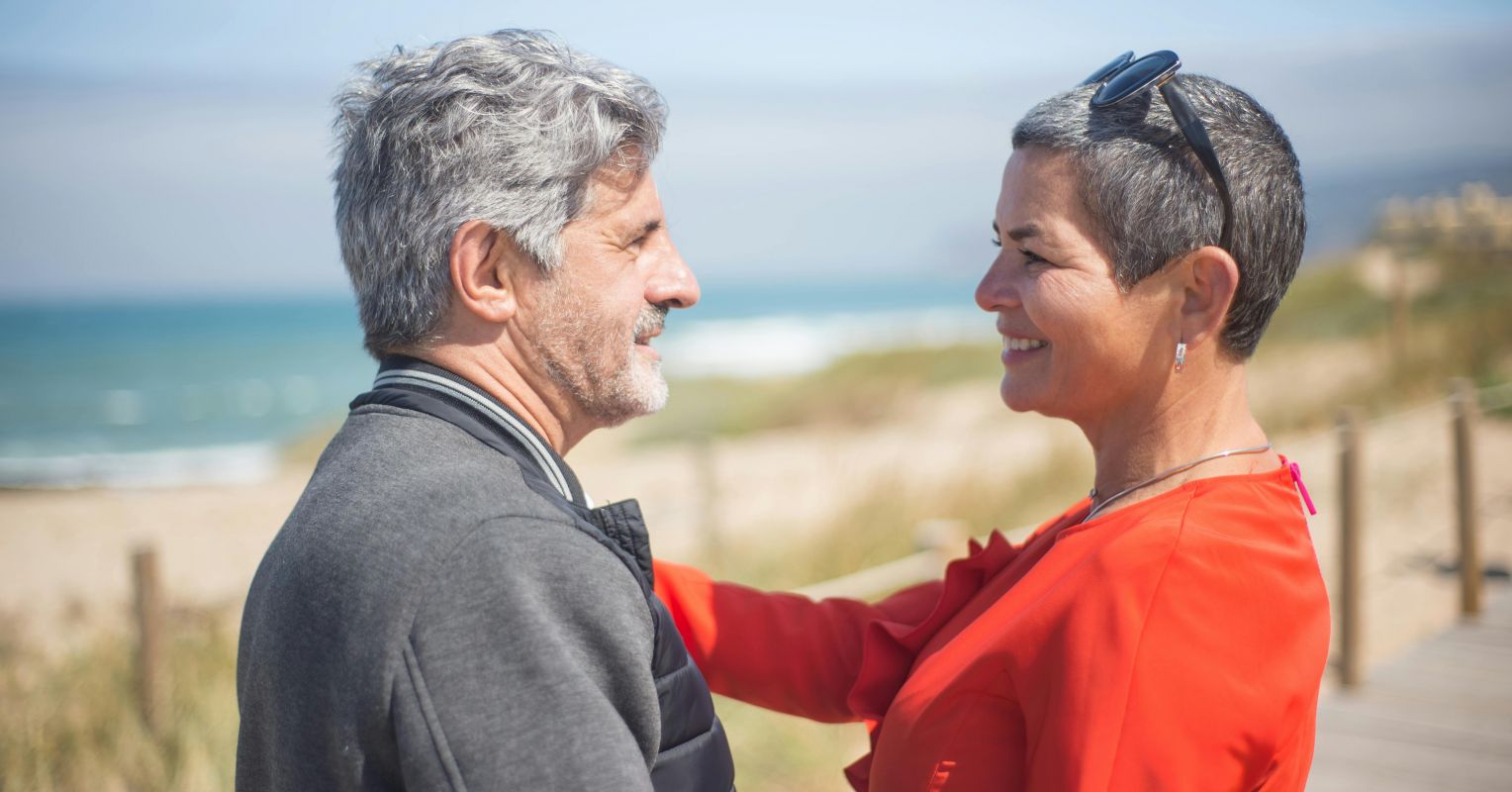
"It's an in-between chapter in life, when we look the same on the outside, and we're still surrounded by the same people and activities as we always were, but we are not that person anymore, the one who designed and wanted that life, and for whom it felt so critically important and authentic. It's not that there's anything wrong with that old life; it just doesn't seem to belong to us any longer. Who we are has changed and moved on."
"As women, we blame ourselves for this natural shift in priorities. We create a narrative that the fact that our interests have changed means that we were faking our old life all along. If we derive less meaning from what used to matter, then what used to matter couldn't have been real. We're conditioned to believe that who we are is either this or that, a fixed and knowable thing, rather than what it is-an ever-changing unknowable process that's constantly transforming and often surprising us."
Midlife often brings a shift in what a woman needs and where she directs her attention. This transformation can follow life events like an empty nest or arise without identifiable cause. Inner interests, sources of nourishment, and sense of purpose can change, producing an in-between chapter when outward life looks the same but internal identity has moved on. Women frequently interpret this change as proof that earlier commitments were inauthentic, generating self-blame and impostor feelings. Social conditioning encourages viewing identity as fixed rather than evolving, so the mind resolves cognitive dissonance by devaluing past selves and narratives.
Read at Psychology Today
Unable to calculate read time
Collection
[
|
...
]