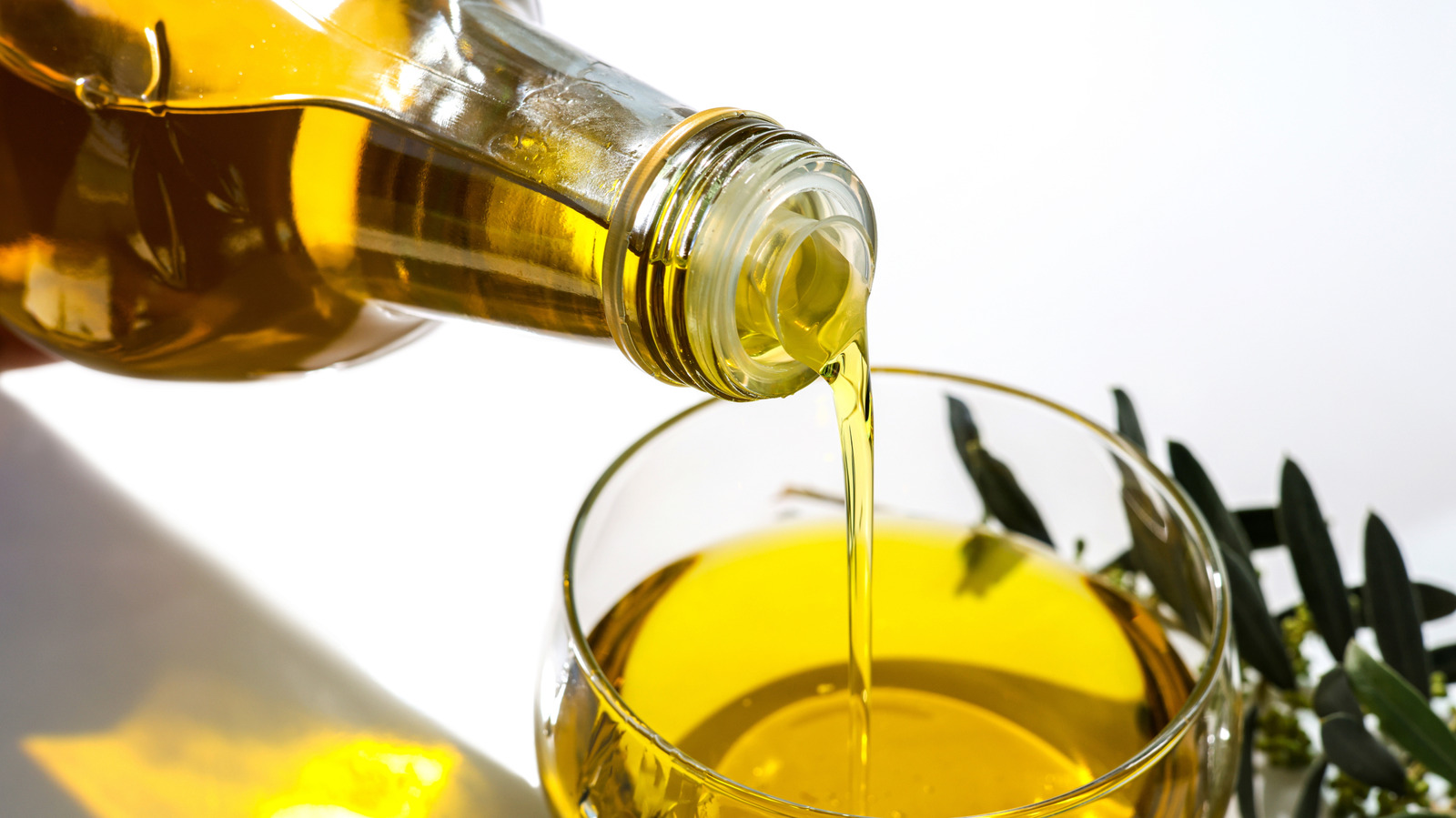
"The words “product of” refer specifically to where the oil itself came from, while “imported from” tells you where the oil was bottled, regardless of where the olives were actually grown or pressed. If the name on the label is Italian or Greek, you'd likely expect the oil to come from those countries, but that isn't always the case."
"Most olive oil in the world is still produced in Mediterranean countries, so some connoisseurs understandably want to seek out imported bottles from the historical home of the olive tree. It probably won't surprise you to learn some of the most recognizable olive oil brands are Italian. It's important to know, though, that just because olive oil was imported from a country doesn't necessarily mean it was produced there."
"In modern times, olive oil is a sprawling international industry worth almost $20 billion in 2025, even if many of us still romanticize our oil with ideas of quaint little towns and sunlit olive groves. While you can still find single-origin olive oil, most of it is blended from olives imported from various places, with their combined flavors giving the final flavor profile."
"Olives are grown around the world through a small handful of big producers. Spain is by far the largest olive grower, with Greece and Italy coming second and third, but there are many smaller producers too; including Malta, Uzbekistan, Brazil, Iraq, and Libya. Some of these lesser-known olive growers have received accolades for their quality, too, such as Tunisia and China, both of which won awards for their olive oil in 2026."
Olive oil has grown in popularity in the United States for decades, building on Mediterranean traditions. Most olive oil worldwide is produced in Mediterranean countries, and many well-known brands are Italian, but country labels do not always reflect production origin. The North American Olive Oil Association sets strict labeling requirements. “Product of” specifies where the oil itself came from, while “imported from” specifies where the oil was bottled, independent of where olives were grown or pressed. Olive oil is a large international industry worth nearly $20 billion in 2025. Many products are blends made from olives imported from multiple places, though single-origin olive oil still exists. Olives are grown globally, with Spain the largest producer, followed by Greece and Italy, alongside smaller producers such as Malta, Uzbekistan, Brazil, Iraq, and Libya.
#olive-oil-labeling #international-food-trade #mediterranean-agriculture #olive-cultivation #food-blending
Read at Tasting Table
Unable to calculate read time
Collection
[
|
...
]