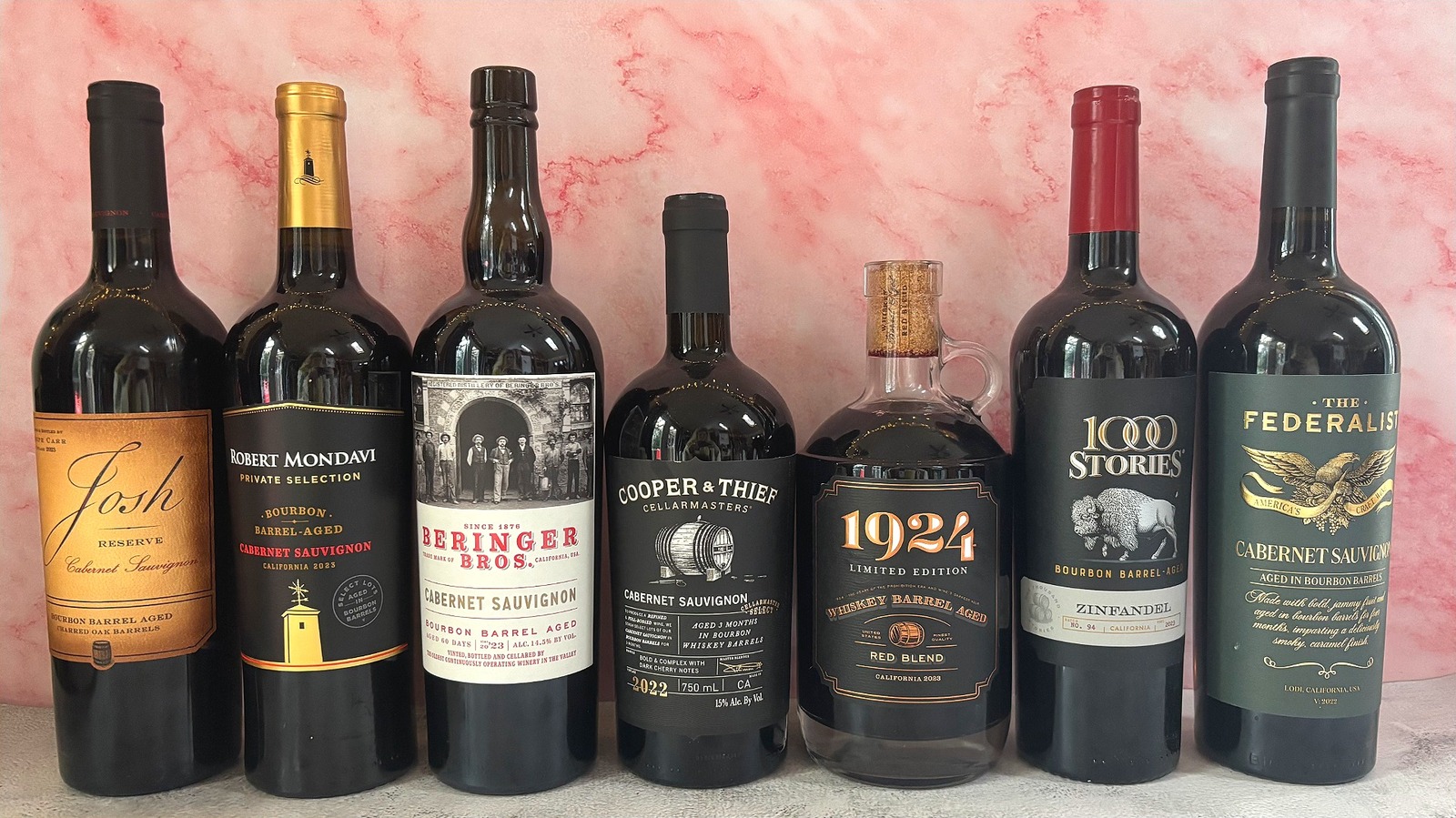
Bourbon-barrel aging is used to add smoky, oaky, bourbon-like qualities to various beverages, including cold brew, beer, and wine. The method imparts spice, vanilla, and caramel notes and can mellow astringency, producing smoother, more drinkable wines. Critics contend that barrel influence can diminish grape-derived flavors and undermine growers; supporters appreciate the finished character. Tasting seven bourbon barrel-aged wines revealed mixed outcomes: some benefited from barrel-derived flavors while others lost expected red-wine complexity. The wines were generally palatable and paired well with foods such as porcini mushroom and truffle ravioli. A 1000 Stories Bourbon Barrel-Aged Zinfandel placed fifth in the ranking.
"Starbucks' Reserve Roasteries sell whiskey barrel-aged cold brew, some beer is aged in bourbon barrels, and wine is an obvious beneficiary of this method too. Though the practice of aging wine in bourbon barrels is contested by some consumers - naysayers say the process diminishes the flavors that come from thoughtfully growing and sourcing the grapes, thus undermining the farmers - others are staunch fans of the finished product."
"After tasting seven bourbon barrel-aged wines, I could go either way. I see the potential flaws in the practice, but I won't deny its advantages, either. Many of these wines benefited from the infusion of notes like spice, vanilla, and caramel. However, all were mellowed out with regard to the astringency and complexity I expect from some red wine varieties."
Read at Tasting Table
Unable to calculate read time
Collection
[
|
...
]