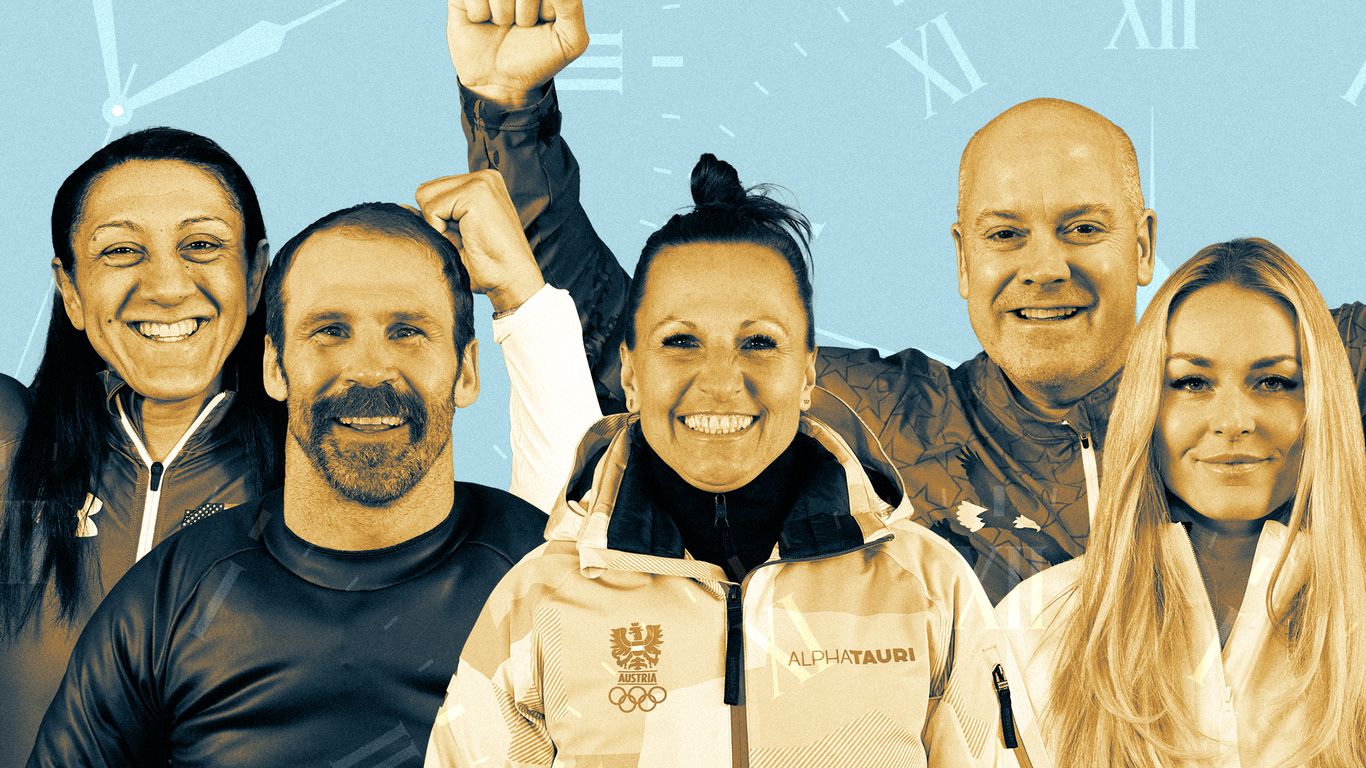
"From the first-ever mother-son duo to compete in the Olympics to athletes who've come out of retirement to medal in Milan, this year's field is redefining what an Olympic career can look like. They still get retirement questions. They're asked often to explain how they stay in the game. But they also bring something younger competitors can't: perspective - a long view of the injuries, setbacks, reinventions and second acts that shape a professional athlete's life."
"I'm lucky to have the longevity that I have. I cut corners, didn't do everything I could, but I had time to learn from those mistakes. ... I've learned that if you do everything you can, and you cut no corners, if you fall short of that goal, you can live with that."
"I can stillkeep up with the young girls and fight with them. I'm still here and I can push myself next to the young guns,"
Veteran competitors at the Winter Olympics are extending careers and reshaping expectations about athletic longevity. They frequently face questions about retirement and how they maintain competitiveness. These athletes bring long-term perspective gained from injuries, setbacks, reinventions, and second acts. Some athletes returned to national teams after being deemed too old, while others emphasize lifestyle choices, selective training, and learning from mistakes to preserve longevity. Examples include a 52-year-old snowboarder competing against much younger rivals and a 44-year-old snowboard cross competitor who prioritizes sustainable habits over nonstop training.
Read at Axios
Unable to calculate read time
Collection
[
|
...
]