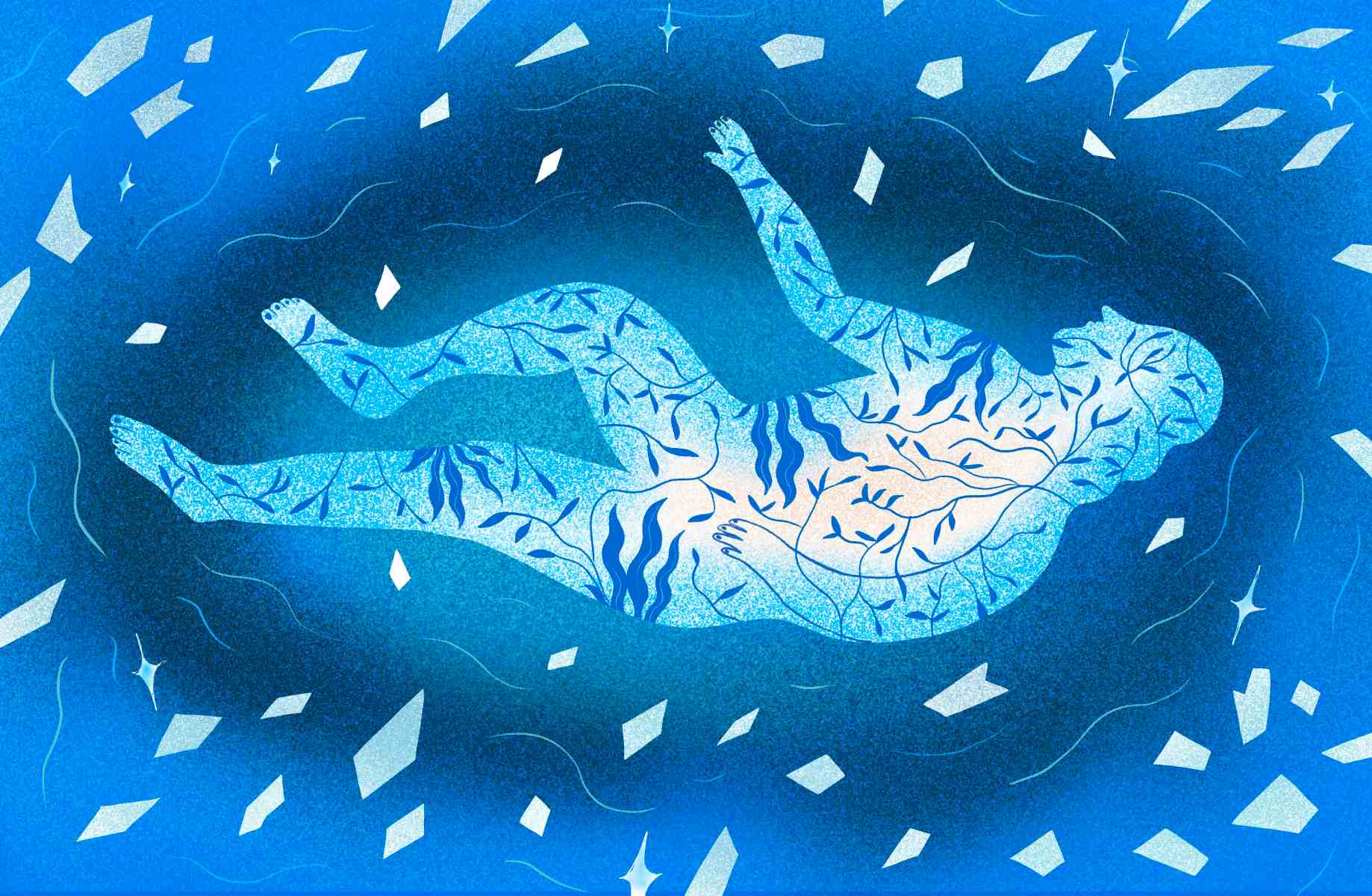
"After we came out of the water, slapping and rubbing our cold arms and legs back to life, we saw little droplets of blood at our ankles and knees. I bled the most because I was the first into the water and had broken the ice. We looked at each other and grinned: lesson learned. Next time, we will bring"
"swim at high tide at Apex beach in Iqaluit. I enjoyed the quiet and brisk moments so much that I decided to continue into the fall. Then I decided that it would be wonderful to share the experience of the cold water with others and to see how long we could go into the colder weather. I put a call out to friends, and now, I've found myself amongst a group of women in Iqaluit"
"I am Greenlandic on my mother's side and English on my father's side; in Greenland, like in Scandinavia and Great Britain, cold-plunging is a common activity. I have always enjoyed it. When I was a child, I made a point of swimming in the river by our cabin on the May long weekend, whether there was still ice along the shore or not. One summer as a teen, I did not use hot water nor shampoo for the entire school break. My skin and hair"
Over summer 2025, the narrator began swimming at high tide at Apex beach in Iqaluit and continued into fall, inviting friends to join. A group of women now plunges into cold ocean water to share the experience and test endurance in colder weather. The narrator is Greenlandic and English, with family traditions of cold-plunging and sauna use. Childhood river swims and a teenage experiment avoiding hot water led to healthier skin and hair. Cold saltwater relieved blackfly bites and headaches on a hike. A thin razor-sharp ice layer caused bleeding after a plunge, prompting plans to bring a hockey stick and wear protective clothing.
Read at The Walrus
Unable to calculate read time
Collection
[
|
...
]