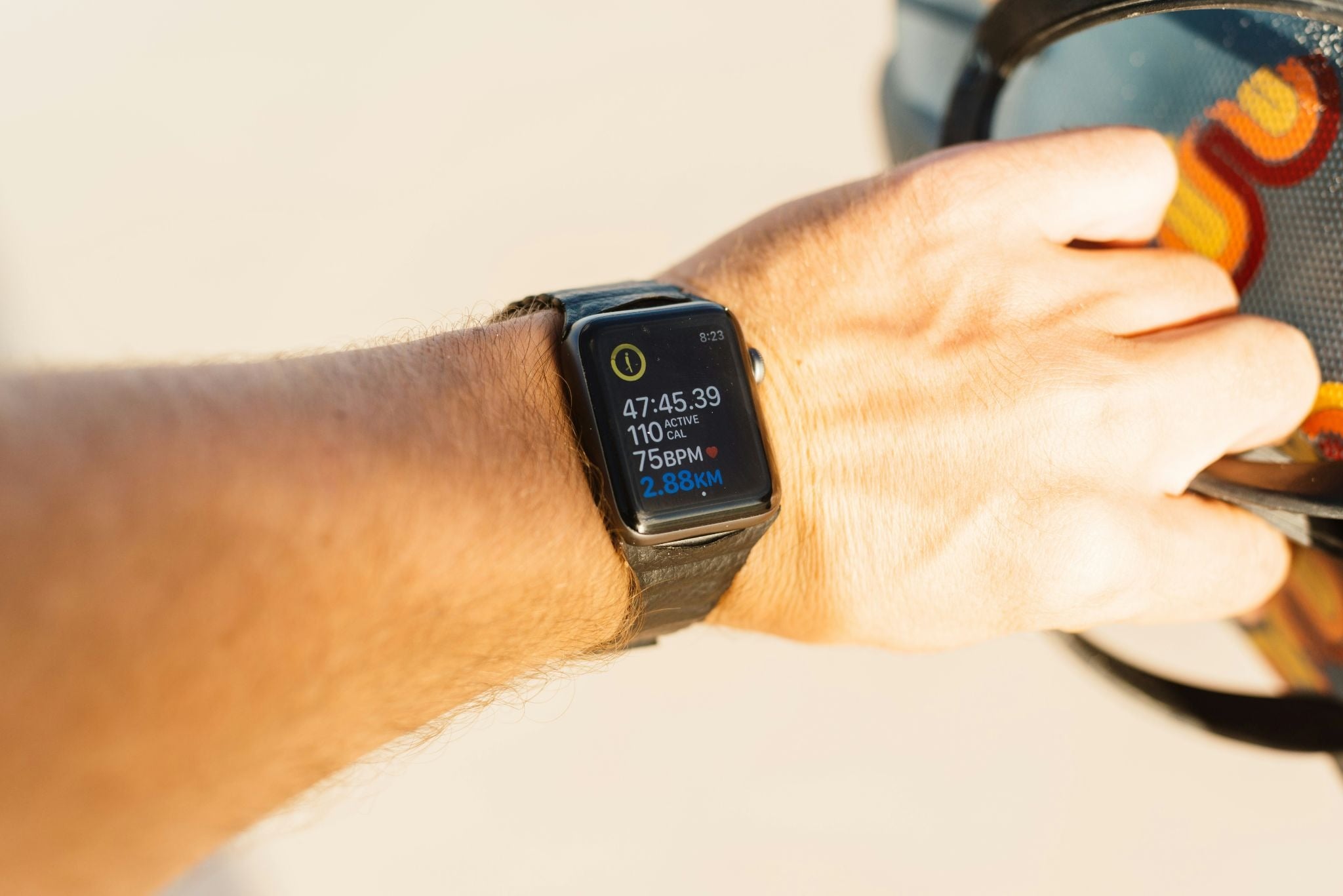
""The biggest barrier is fragmentation," Odu explains. " Wearable data typically exists in isolation from the datasets that actually drive healthcare decisions for employers: medical claims, pharmacy claims, lab results, and other program outcomes.""
""Medical claims sit in one system. Pharmacy data sits in another. Dental, vision, and behavioral health claims are often managed by entirely separate vendors with no data integration between them," he says. "Wearable device data becomes yet another silo.""
""Most wearable platforms use proprietary formats," Odu notes. "There is no universal standard for how a heart rate trend from a smartwatch should be formatted, transmitted, or interpreted alongside a claims file or a biometric screening result.""
Wearable devices track sleep cycles, heart rate variability, and other health signals, supporting a proactive, data-driven approach. Adoption is increasing, along with expectations that more data will improve outcomes and lower costs. Many healthcare systems and employer plans cannot convert wearable data into meaningful action because the data is not integrated with the datasets used for decisions. Wearable information often exists separately from medical claims, pharmacy claims, lab results, and program outcomes. Employer plan data is frequently split across multiple vendors, creating additional silos. Technical limitations also hinder integration because wearable platforms use proprietary formats without universal standards for transmitting and interpreting wearable trends alongside claims and biometric results.
#wearable-health-technology #healthcare-data-integration #employer-health-plans #medical-claims #health-cost-management
Read at Social Media Explorer
Unable to calculate read time
Collection
[
|
...
]