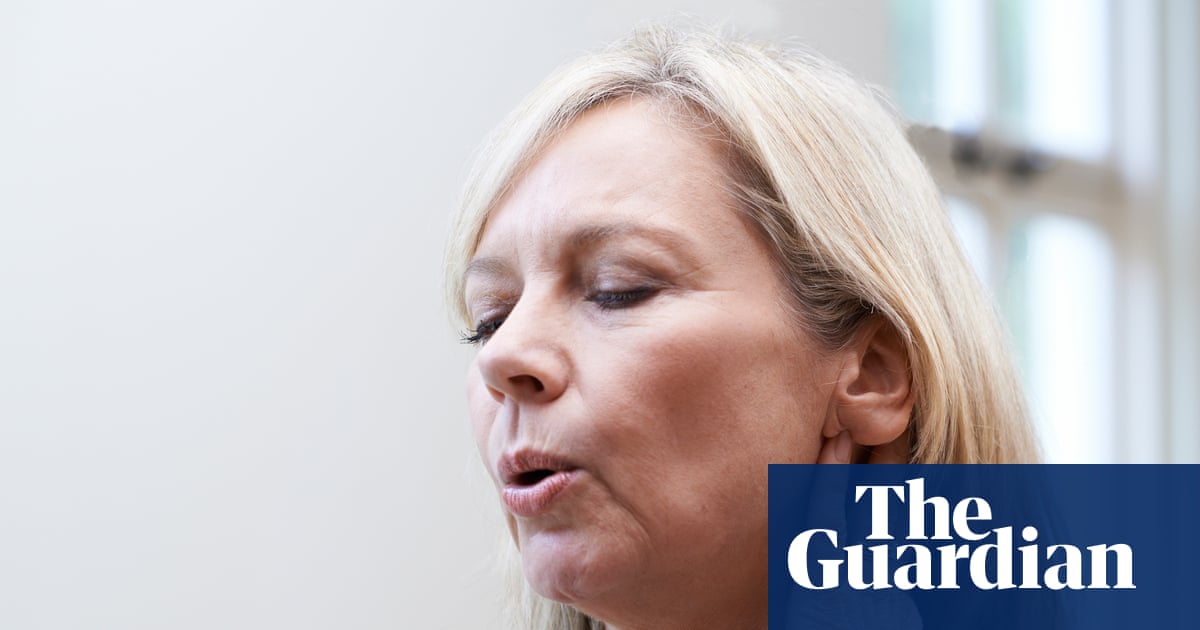
"For any bodily function you want to measure these days there is a gadget a wristband for step-counting, a watch to track your heart rate or a ring for measuring sleep. Now the march of wearable tech is coming to the aid of what some say is a long underserved market: menopausal women. One startup has recently launched a high-end cooling bracelet that kicks into action during a menopausal hot flush."
"Leading investors in menopause products include venture capital funds, corporate giants such as Bayer and Unilever Ventures, and retail partners such as Tesco. The MyCelsius bracelet, a 229.99 cooling device, is worn on the wrist to instantly cool down wearers who experience hot flushes triggered by menopause. Its designers say it also alleviates the effects of hormonal changes such as stress, anxiety or other everyday factors on body temperature."
"Companies are developing everything from apps offering dietary advice to devices that track symptoms, hormones and body temperature. While some caution that a boom in the menopause market could mean brands with overhyped solutions cash in on women's fears, there is no shortage of investors who see a technological solution to the problems brought on by middle age. Sarah Garlick, 50, went into surgical menopause after having a hysterectomy and her ovaries removed at 43."
Wearable cooling devices, symptom-tracking gadgets, apps offering dietary advice, and hormone-monitoring technologies are being developed for menopausal women. Stigma around menopause is receding, increasing consumer demand and attracting funding from venture capital, corporate investors and retail partners. The global menopause market is projected to reach about $24bn by 2030. Products range from wrist-worn cooling bracelets to temperature-regulating sleepwear and tracking platforms. Rapid market growth raises concerns that some brands may offer overhyped or ineffective solutions. Individual users report mixed experiences with hormone therapy and with consumer-focused products aimed at managing menopause symptoms.
Read at www.theguardian.com
Unable to calculate read time
Collection
[
|
...
]