"We are currently living through a technological era where it is possible to get abundant data about our physical activity, our blood pressure and much more through a small device (or devices) that we carry on our bodies seamlessly. In a recent review of Oura's latest smart ring at Gizmodo, Claire Maldarelli wrote that "of all the options currently out there to track my health - smartwatches, straps, etc. - a smart ring is by far superior."But there's another aspect to Maldarelli's piece: questions about what someone needs to do with all of this information when they have it."
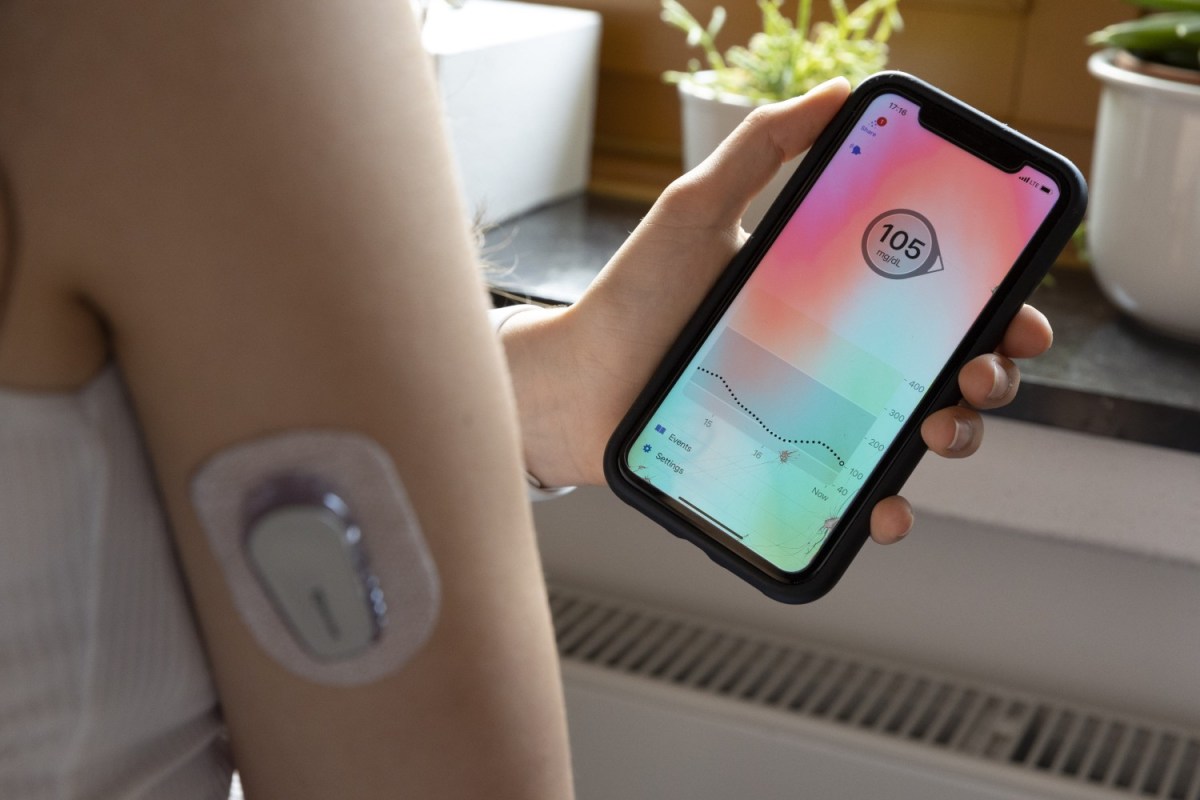
"Song observed that these devices can be vitally important for people living with diabetes. However, her experience with a CGM has left her questioning how important they are to health-conscious people who don't depend on them for vital health-related information. "[U]sing CGMs this past year nearly wrecked my relationship with food," Song writes. She describes avoiding food she enjoyed to pursue better glucose scores in her apps, something that adversely affected her mood."
Modern wearables collect abundant biometric data, including physical activity, blood pressure, sleep patterns, and glucose levels, via small devices worn on the body. Smart rings can outperform smartwatches and straps for some tracking purposes, yet access to more data does not automatically lead to behavior change or better health. Continuous glucose monitors are essential for people with diabetes, but for non-diabetic users they can prompt unhealthy food avoidance, worsen mood, and create an overemphasis on score optimization. Many wearables provide metrics without clear guidance on how to act, leaving users uncertain about translating readings into sustainable habits or metabolic improvements.
Read at InsideHook
Unable to calculate read time
Collection
[
|
...
]