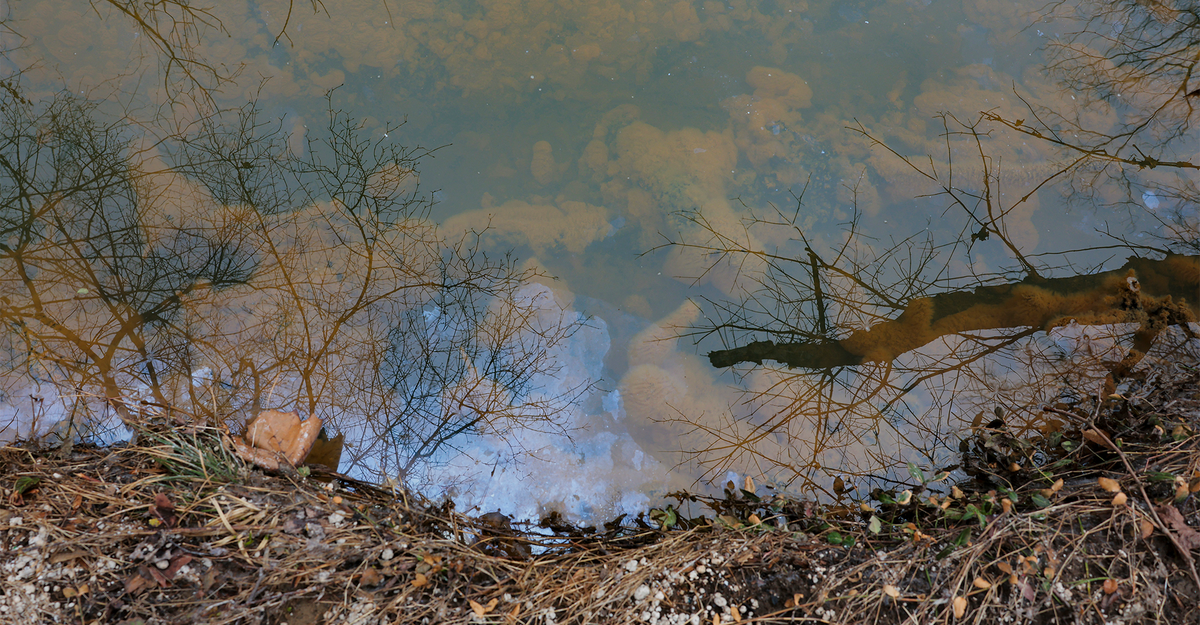
On January 19, a six-foot-wide sewer pipe broke beneath land near the Potomac River, nine miles northwest of the Lincoln Memorial, releasing sewage from a million suburban households into the watershed. This incident ranks among the worst raw-sewage spills in U.S. history according to University of Maryland researchers. Two months later, DC Water released a report claiming the utility did everything correctly and the event was unprecedented. However, significant damage occurred: the C&O Canal functioned as an open-air sewer for nearly two months, accumulating inches of human waste. A collapse upstream could have contaminated the Washington Aqueduct's water intake, affecting one million people. Investigations suggest a design flaw from the 1960s involving large boulders used as fill material when the pipe was buried may be responsible, raising concerns about similar vulnerabilities along the 54-mile pipeline.
"According to researchers at the University of Maryland, it was one of the worst raw-sewage spills in U.S. history. Two months later, there is no official explanation of what went wrong, and the gist of the DC Water report released on March 5 is, roughly, We did everything right. 'This was an unprecedented event,' the CEO, David Gadis, said in a press release."
"In addition to the damage to the watershed, where the utility has elsewhere spent billions of dollars to keep out sewage, Maryland's C&O Canal spent nearly two months functioning as a jury-rigged open-air sewer to bypass the collapse and has been coated in human muck several inches deep. If the collapse had occurred a few miles upstream, it would have contaminated the intake of the Washington Aqueduct, cutting off the water supply for about 1 million people."
"DC Water officials have begun to hint at a possible culprit: a design flaw that has been lurking above the underground pipe since it was installed in the early 1960s, in the form of large boulders that were used as fill when the pipe was buried. This weakness raises the possibility of other land mines along the pipeline's 54-mile path."
Read at The Atlantic
Unable to calculate read time
Collection
[
|
...
]