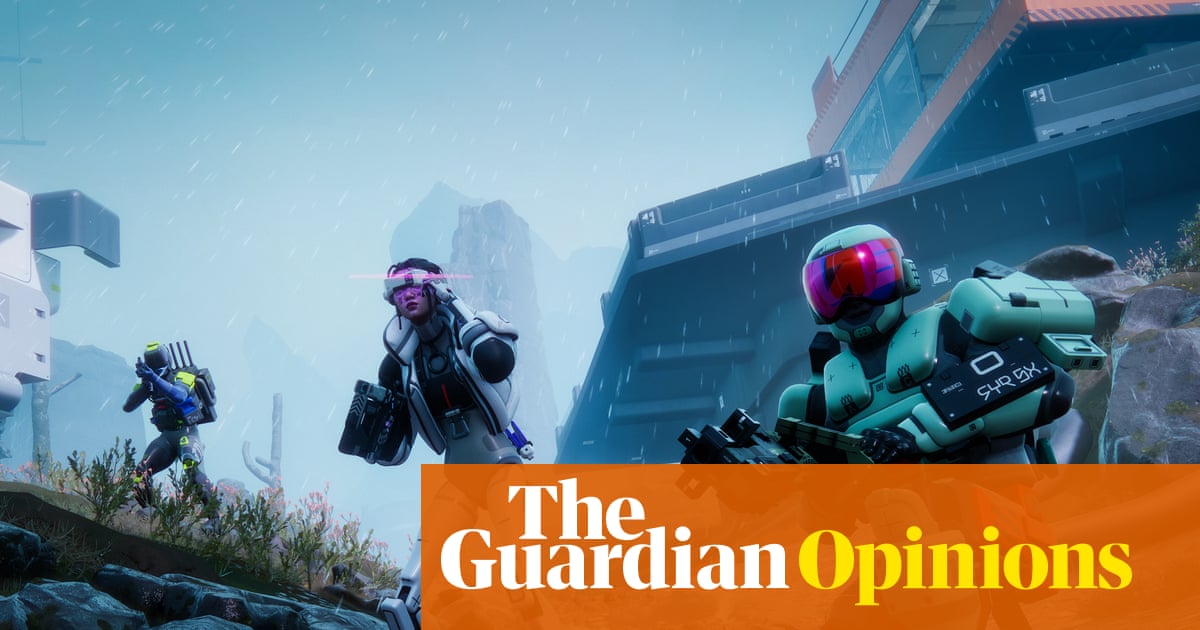
"Highguard's implosion was swift. According to Bloomberg, 90% of the game's players had abandoned it a week later. After a month, developer Wildlight Entertainment announced that it would end service on 12 March, after fewer than 50 days online. As you read this, it is already too late. Highguard is gone, and the 2 million players Wildlight says logged on to the game could not come back if they wanted to."
"What Highguard really needed, like many other games, was time. Time for players to learn what it was, and time for Wildlight to identify what was working and what was not. Wildlight, however, was not given that opportunity in an industry where games are now investments that are meant to deliver immediate and staggering returns."
"A refusal to do public play tests before release seemed like a miscalculation. And because Highguard's developers borrowed liberally from several genres, the shooter had a compelling but complex structure, with multiple phases meant to give matches the ebb and flow of sport: this complexity could have been either tweaked or better introduced."
Highguard launched in January 2026 with promising initial metrics: 100,000 concurrent Steam players plus console audiences, strong advertising placement at The Game Awards, and low entry barriers as a free-to-play title. However, 90% of players abandoned the game within a week, leading developer Wildlight Entertainment to shut down service after fewer than 50 days despite attracting 2 million total players. While strategic errors existed—including skipped public testing and overly complex game mechanics—the core issue reflects broader industry dynamics: games are now treated as investments requiring immediate, substantial returns rather than products allowed time for player adoption and developer refinement.
#video-game-industry-economics #free-to-play-game-failure #player-retention-crisis #game-development-pressure
Read at www.theguardian.com
Unable to calculate read time
Collection
[
|
...
]