"Steam and PlayStation (the two platforms I use the most) have been doing a year-in-review summary akin to the wildly popular Spotify Wrapped for the past few years. Based on these, I can report that my most-played games in 2025 were, from most hours down: No Man's Sky Civilization VII Assassin's Creed Shadows The Elder Scrolls IV Oblivion Remastered The Lord of the Rings: Return to Moria The Elder Scrolls III Morrowind World of Warcraft Meridian 59 Tainted Grail: Fall of Avalon Unreal Tournament"
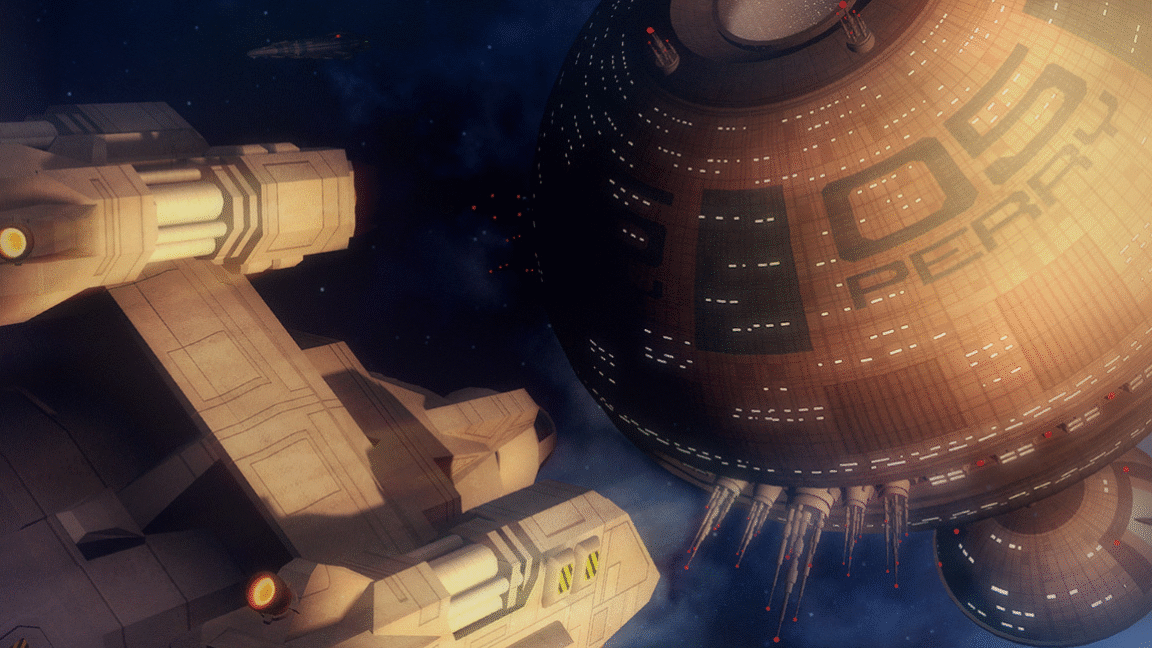
"Yes, it has a story and story missions, but they're hardly the point, partly because they're not really that good. What's exciting about this game is exploring new systems, seeing the beautiful CG artwork for their settlements, learning about your ships' capabilities and upgrading them slowly over time, and attaining mastery of the pseudo-simulated economy. The story that matters in Privateer is the story I am telling myself in my head."
Wing Commander: Privateer set a long-lasting benchmark for open-ended, player-driven immersion beginning in 1993. Recent playtime data for 2025 shows heavy engagement with open-world and exploration-focused titles such as No Man's Sky, Civilization VII, and remastered Elder Scrolls entries. Preference centers on games that function as spaces for living out player-created lives rather than tightly authored story beats. Privateer emphasizes system exploration, evocative CG settlement art, incremental ship upgrades, and mastery of a pseudo-simulated economy. Story and missions exist but are secondary to emergent personal storytelling, and the game's design influenced many later space and open-world titles.
Read at Ars Technica
Unable to calculate read time
Collection
[
|
...
]