"Designers hold the best qualities to get refine AI outputs that's needed for building successful products Traditionally we've shied away from building because the chasm to go from designing to shipping requires learning to code, test, and bug fix. All of it required massive time investment to learn syntax, that changes every few years while core principles stay the same. Most of us are designers because we're visual thinkers in a way."
"The skills that make someone good at design are precisely what AI-assisted building requires: Defining outcomes clearly: We empathise and think of novel scenarios for our user, visualise what good looks like and use that in our artefacts. Anticipating failures: We map edge cases constantly Communicating intent without shared context: We do this in every handoff and during presentations to non-technical stakeholders"
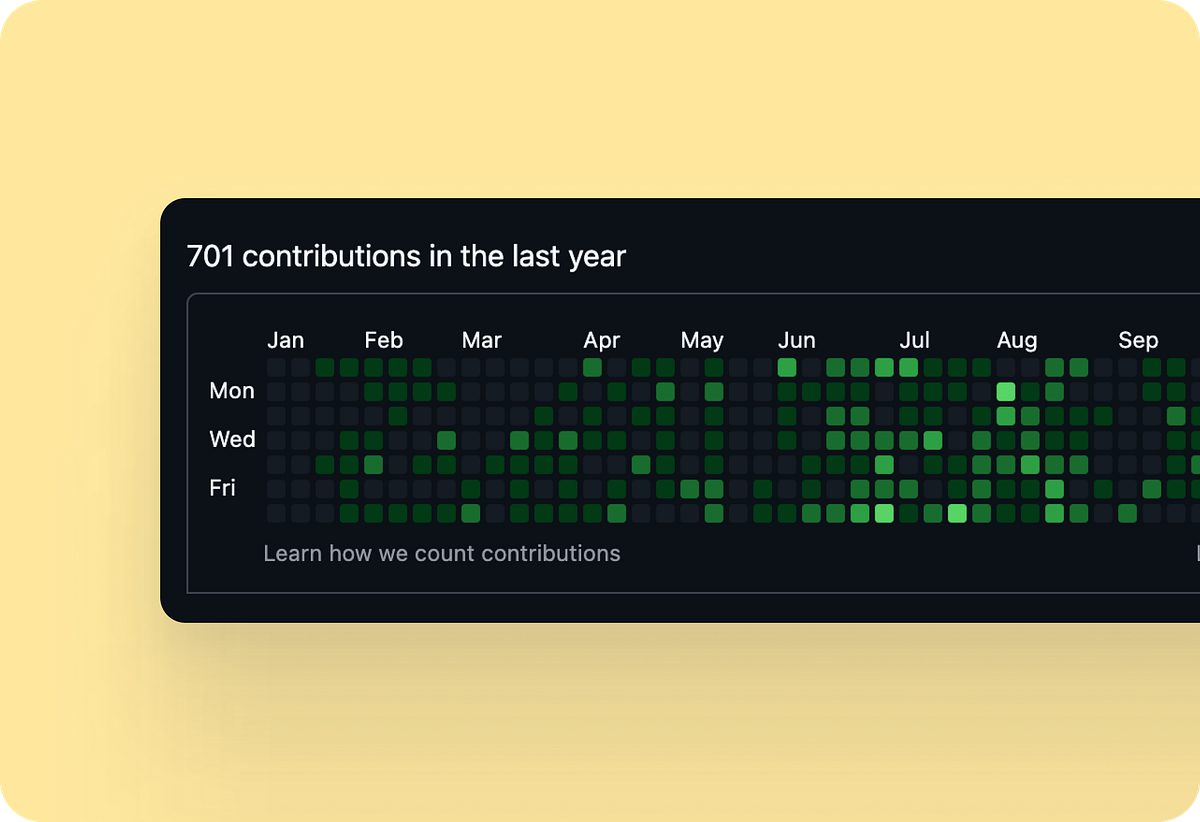
"I've built 15+ working prototypes using Claude Code and Cursor, and shipped 3 apps in 2025 with just a basic understanding of Swift I learned three years ago; and, I've used that knowledge maybe 5% of the time. This article covers the mindset I evolved over the past year. This shift changed how I approach design, how I collaborate with engineering, how I think through technical problems, and how I think about AI itself."
AI-assisted building in 2025 removed the technical barrier between designing and shipping by letting AI handle implementation. Designers naturally orchestrate agents to write, test, debug, and iterate code because core design skills—defining outcomes, anticipating failures, and communicating intent without shared context—map directly to AI-assisted building. Effective prompting focuses on clearly articulating the what and why so AI can handle the how. Over a year this mindset shift led to building 15+ prototypes and shipping three apps using Claude Code and Cursor with minimal Swift knowledge, and it changed approaches to design, engineering collaboration, and technical problem-solving.
Read at Medium
Unable to calculate read time
Collection
[
|
...
]