LLMs generate text by learning patterns from massive text corpora and predicting next sequences. They mimic language effectively, which suits informative content like blog posts and summaries. UX writing requires copy that adapts to user journey stages—onboarding, troubleshooting, purchase—and aligns tone, wording, and rhythm with user mindset. Pattern recognition alone cannot tailor that adaptability. Human UX writers must guide AI outputs, applying empathy, judgment, and contextual knowledge. Six practical collaborations exist where AI accelerates ideation or drafting, while certain tasks must remain human-led to ensure clarity, accessibility, and user trust.
"Generative AI tools like ChatGPT, Gemini, and Claude are powered by LLMs. These LLMs are trained on massive amounts of text from books, websites, articles, and social media. They learn patterns and use them to predict what should come next in a sequence, allowing them to generate content that sounds natural. Put simply, LLMs are excellent mimics. This works well for informative content such as blog posts and articles, where the goal is to share knowledge and summarize information."
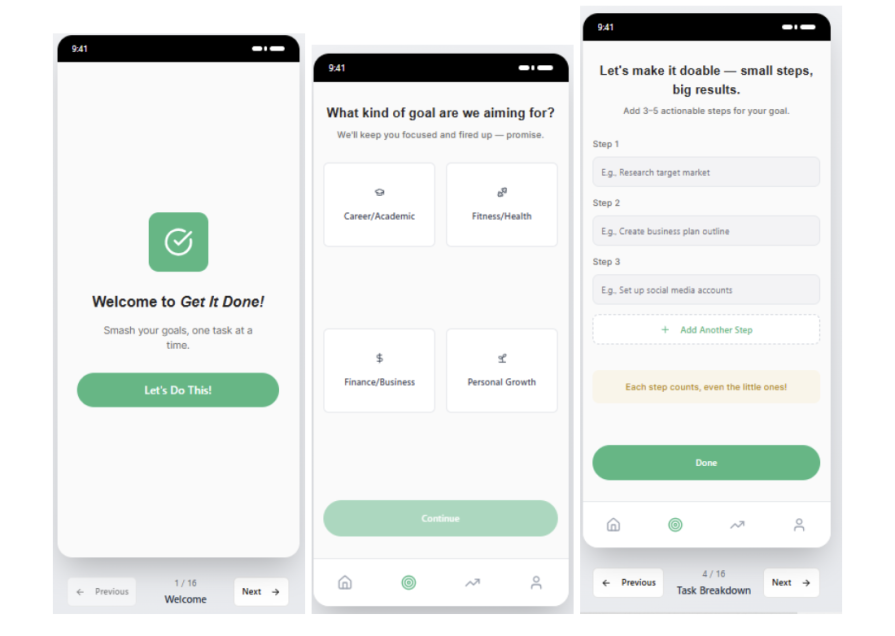
"Effective UX copy adapts to where the user is in their journey, whether they're onboarding, troubleshooting, or finalizing a purchase. It ensures that the tone, wording, and even the rhythm align with their mindset in that moment. Pattern recognition alone can't achieve this. A UX writer must take the reins, combining AI's speed with human judgment, empathy, and context. Here are six ways to achieve this:"
Read at LogRocket Blog
Unable to calculate read time
Collection
[
|
...
]