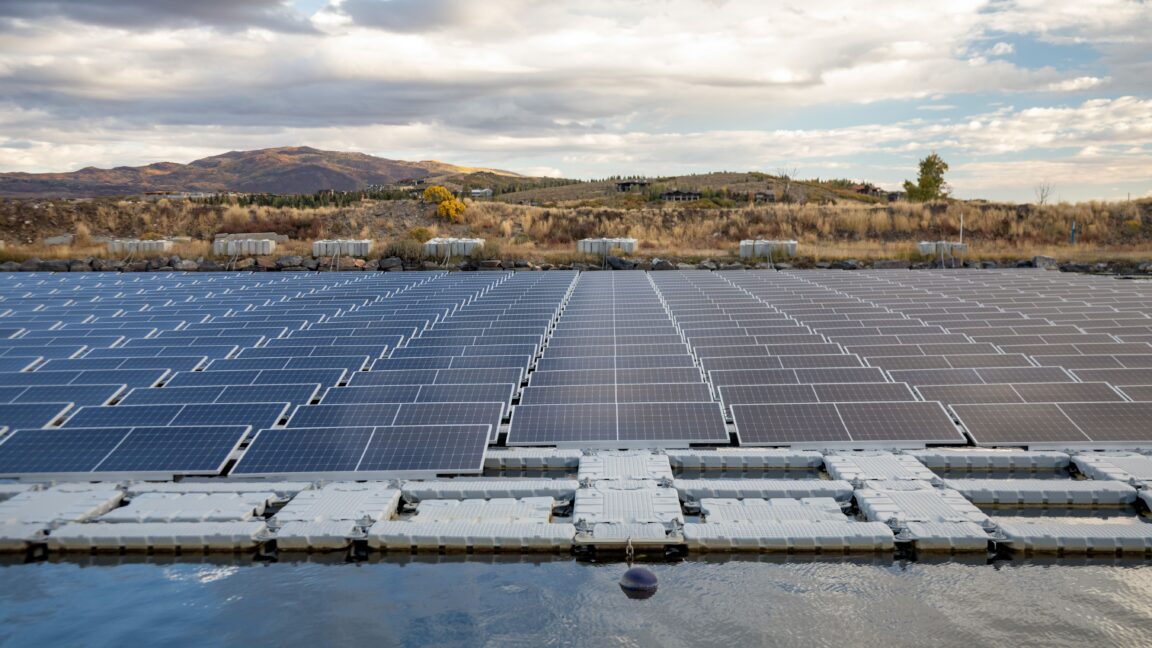
"Utah Gov. Spencer Cox believes his state needs more power-a lot more. By some estimates, Utah will require as much electricity in the next five years as it generated all last century to meet the demands of a growing population as well as chase data centers and AI developers to fuel its economy. To that end, Cox announced Operation Gigawatt last year, declaring the state would double energy production in the next decade."
"Although the announcement was short on details, Cox, a Republican, promised his administration would take an "any of the above" approach, which aims to expand all sources of energy production. Despite that goal, the Utah Legislature's Republican supermajority, with Cox's acquiescence, has taken a hard turn against solar power-which has been coming online faster than any other source in Utah and accounts for two-thirds of the new projects waiting to connect to the state's power grid."
"Cox signed a pair of bills passed this year that will make it more difficult and expensive to develop and produce solar energy in Utah by ending solar development tax credits and imposing a hefty new tax on solar generation. A third bill aimed at limiting solar development on farmland narrowly missed the deadline for passage but is expected to return next year."
Utah faces surging electricity demand that could equal the state's entire 20th-century generation within five years due to population growth and data center and AI development. Gov. Spencer Cox launched Operation Gigawatt to double energy production in a decade and pledged an "any of the above" expansion of energy sources. The Republican-led Legislature, with Cox's acquiescence, passed measures ending solar development tax credits and imposing a new tax on solar generation. A proposed restriction on solar use of farmland narrowly missed passage and is likely to return. Industry lobbying reduced the tax impact and protected existing projects.
Read at Ars Technica
Unable to calculate read time
Collection
[
|
...
]