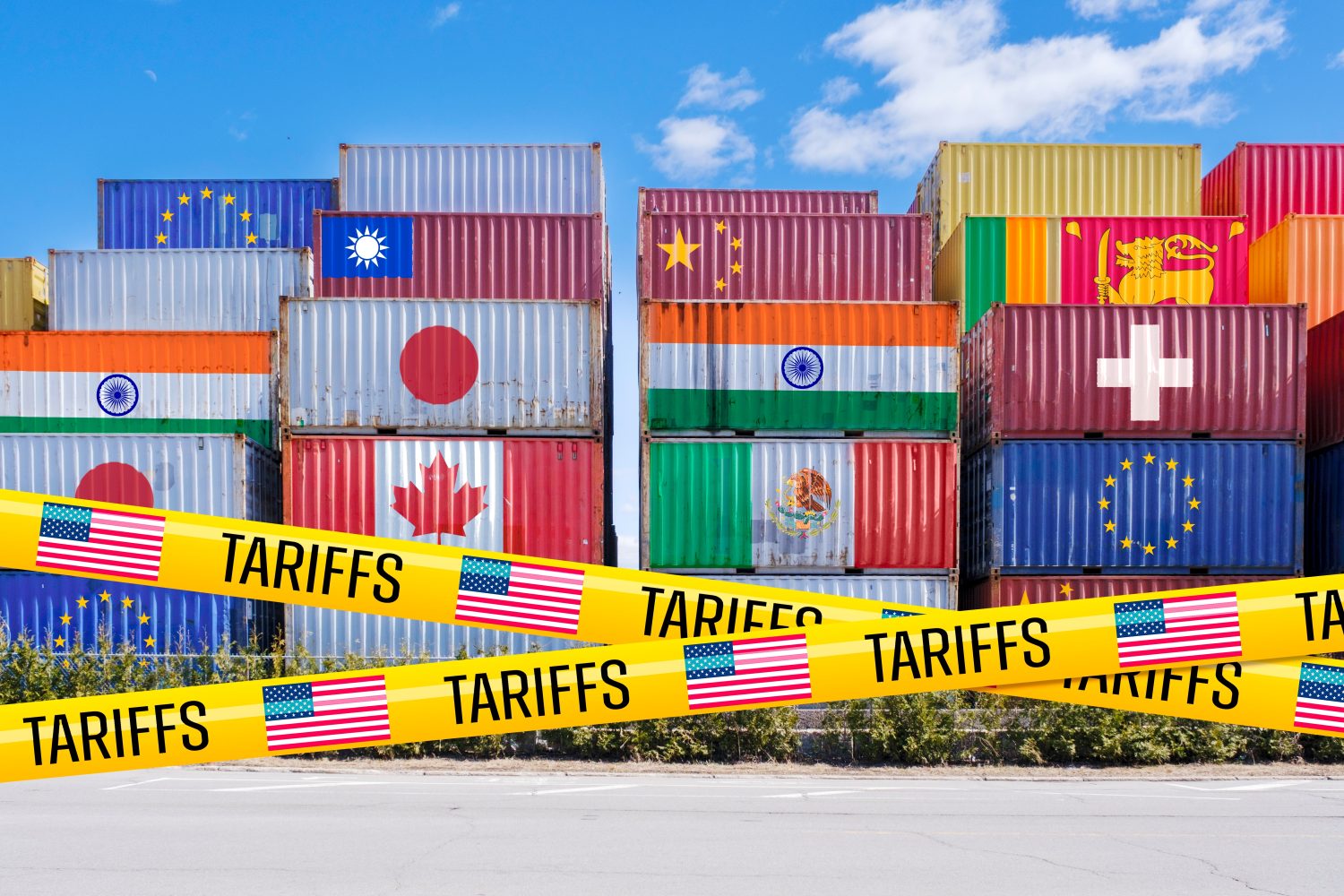
President Trump proposed $2,000 direct payments to qualifying American taxpayers, with high earners excluded. The payments would mirror pandemic-era stimulus checks in form but differ in funding source. Rather than deficit financing, the plan would be financed by tariff revenue collected on imports from countries like China and trading partners in Europe. Supporters say the checks would provide immediate relief to middle- and lower-income households facing rising costs and reframe trade policy as a revenue source for domestic relief. Critics point to the stronger current economy and question timing, sustainability, and precise eligibility definitions.
"On November 9, 2025, President Trump proposed a new round of direct payments to all American taxpayers, similar to those made during COVID. However, this time these paychecks would be funded by tariff revenue, and the plan was for all qualifying Americans to receive $2,000, although high earners would not be eligible, a plan that immediately drew comparisons to pandemic paychecks in 2020 and 2021."
"The political appeal of such a move is pretty obvious, as making a direct payment is easy for all Americans to understand. Better yet, a $2,000 check could immediately help middle- and lower-class households already struggling with rising costs across the board. However, the COVID stimulus was a response to a sudden economic collapse, and this proposal would come at a time when the economy is stronger and unemployment, though rising, is still low."
"So far, this all seems comparable to the pandemic, but the big difference is how this program would be funded, as the COVID stimulus was deficit-financed, which meant the national debt increased without a specific revenue source to fund it. Alternatively, you would see this $2,000 payment be funded by import duties collected from goods entering the US from countries like China, across Europe, and other trading partners."
Read at 24/7 Wall St.
Unable to calculate read time
Collection
[
|
...
]