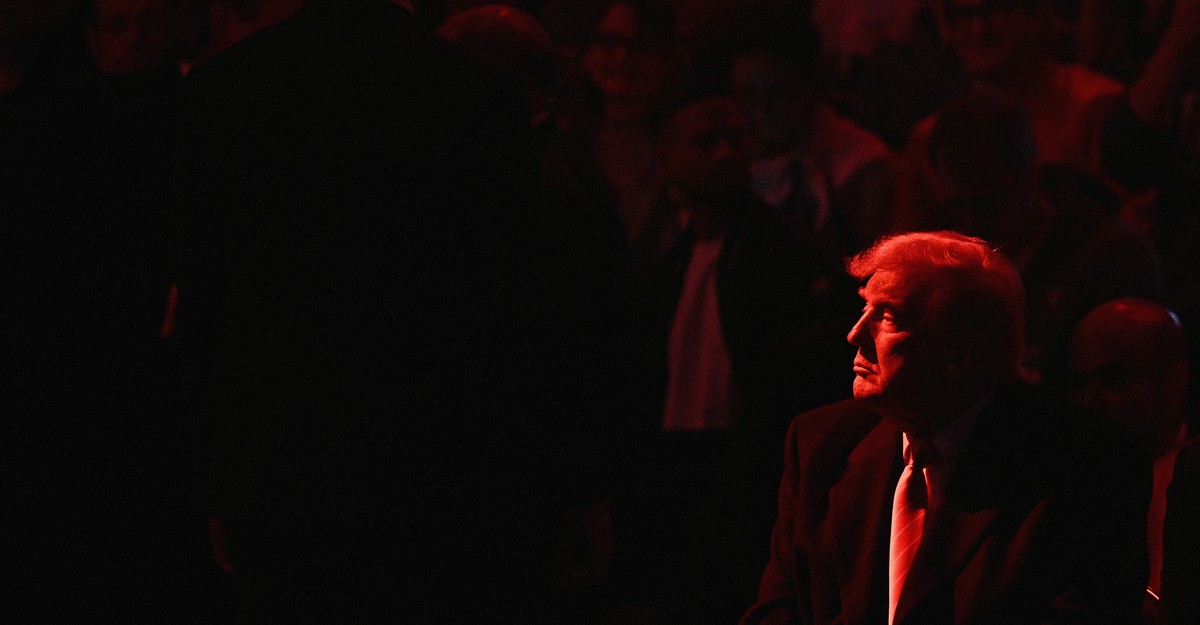
"For a decade, Donald Trump's rallies were intertwined with his political identity. His big crowds were how he first got the media and the Republican Party to take him seriously, and they provided real-time feedback. Those who followed him closely could watch his positions take shape from one rally to the next-an offhand comment that got a strong reaction would become a talking point at the next rally, and then a core part of his pitch."
"Although Trump hated being on the road, the travel took him out of the Manhattan skyscraper emblazoned with his name in gold and into many struggling, disgruntled communities. Before and after rallies, he would meet with local officials, law-enforcement officers, and activists, as well as supporters who'd paid to get a photo with the candidate. Sometimes he visited local businesses or ordered takeout."
Trump used large rallies and real-time crowd feedback to shape his political positions and speaking lines. Travel to rallies moved him out of Manhattan into struggling communities where meetings with local officials, law enforcement, activists, and paying supporters revealed grassroots concerns. Encounters with locals and visits to businesses informed his stories and policy emphasis. In recent months he has largely stopped full-scale campaign-style rallies, choosing travel abroad, golf, and socializing with wealthy friends and donors instead. He has sharply reduced speeches, public events, and domestic travel compared with his initial year, prompting Republican and White House unease about his isolation and disconnect from public priorities.
Read at The Atlantic
Unable to calculate read time
Collection
[
|
...
]