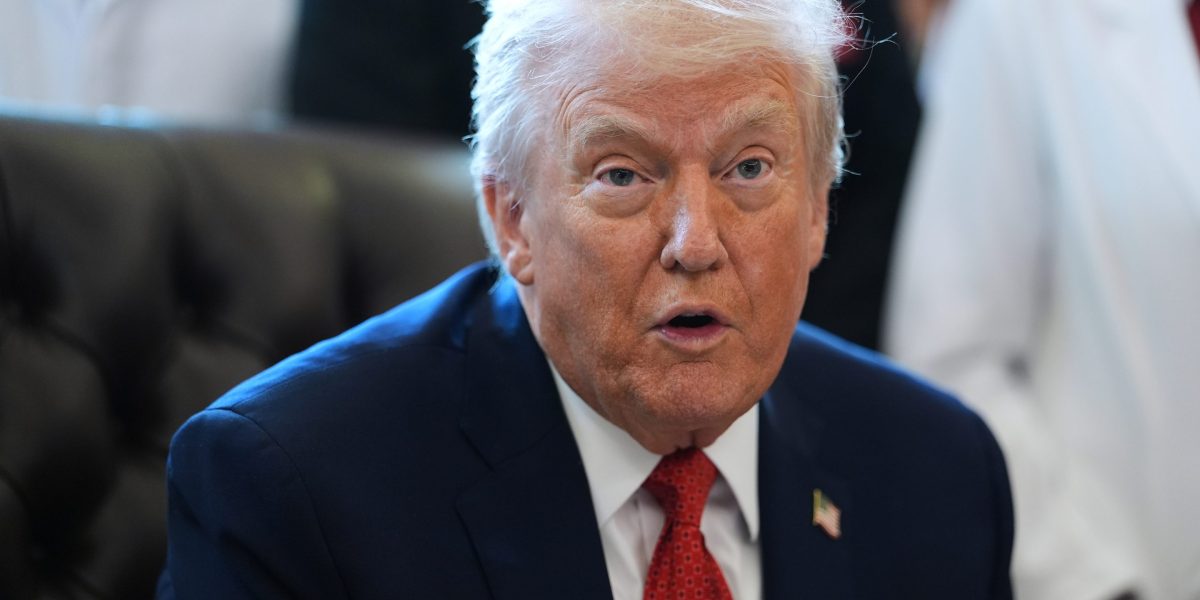
"In some states, the new federal tax breaks will automatically apply to state income taxes unless legislatures opt out. But in many other states, where tax laws are written differently, the new tax breaks won't appear on state tax forms unless legislatures opt in. In states that don't conform to the federal tax changes, workers who receive tips or overtime - for example - will pay no federal tax on those earnings but could still owe state taxes on them."
"States that embrace all of Trump's tax cuts could provide hundreds of millions of dollars of annual savings to certain residents and businesses. But that could financially strain states, which are being hit with higher costs because of new Medicaid and SNAP food aid requirements that also are included in the big bill Trump signed. Most states begin their annual legislative sessions in January."
State governments face decisions on whether to adopt new federal tax breaks that include deductions for tips, overtime, automobile loans and business equipment. Some states automatically conform to federal tax changes unless they opt out, while others require legislative opt-in. Nonconforming states could leave workers paying state tax on earnings untaxed federally. Full adoption could yield hundreds of millions in annual savings for certain residents and businesses but could increase fiscal pressure because the federal bill also raises Medicaid and SNAP costs for states. Most state legislatures begin sessions in January, creating a tight timeline to apply changes retroactively for 2025.
Read at Fortune
Unable to calculate read time
Collection
[
|
...
]