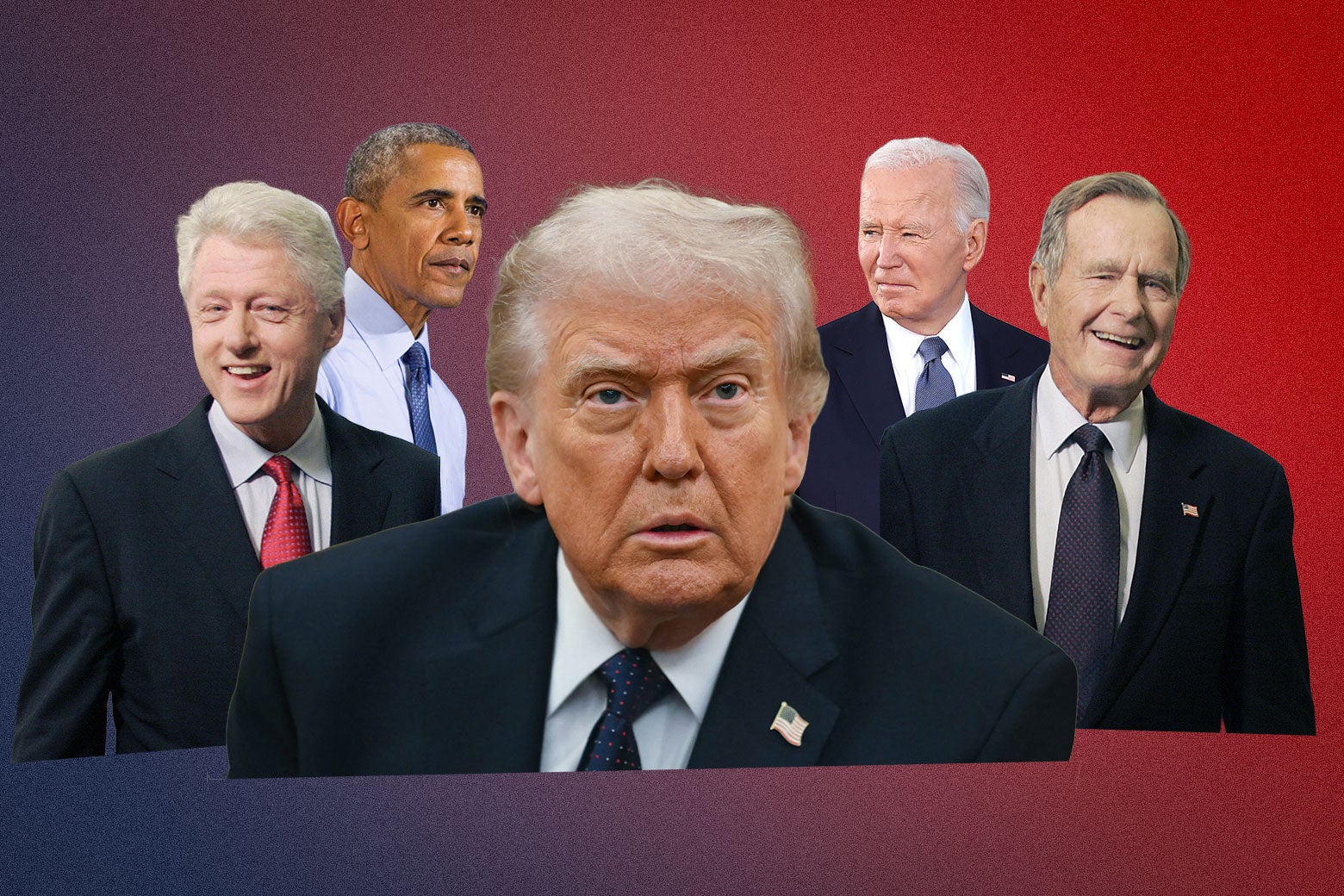
Donald Trump's second term has featured significant international engagement, including military operations, diplomatic summits, and tariff leverage. However, this extensive foreign-policy focus repeats a pattern that has damaged many previous presidencies: prioritizing international issues over domestic concerns like inflation and economic hardship. Historical examples demonstrate this trap's political costs. Woodrow Wilson's League of Nations campaign failed as voters prioritized domestic reforms and economic recovery. Harry Truman's approval ratings declined despite foreign-policy achievements as inflation undermined public support. Jimmy Carter and other recent presidents similarly experienced political consequences from emphasizing foreign policy while domestic economic issues remained unresolved. This recurring pattern suggests that sustained foreign-policy engagement, regardless of diplomatic success, can alienate voters focused on immediate economic welfare.
"For much of his second term, Trump has seemed to bestride the globe, lavishing his attention on a wide range of international issues. He has bragged about ending wars, summited with Vladimir Putin and Volodymyr Zelensky, threatened to annex Greenland, used the risk of tariffs as leverage for foreign-policy concessions, and ordered U.S. military operations in Venezuela, Ecuador, Syria, and elsewhere."
"By engaging so heavily abroad, Trump is repeating a pattern-often a politically costly one-that has bedeviled many, many American presidents before him: focusing too much on foreign policy and not enough on the domestic issues that most voters actually care about, which today include high prices and the economy."
"After World War I, Woodrow Wilson barnstormed the country to gin up support for a treaty that would have seen the U.S. join the League of Nations. He discovered a public more concerned with Progressive Era anti-monopoly reforms that Republicans cast as anti-business, a postwar economic slump, and acts of domestic terrorism committed by anarchists."
Read at Slate Magazine
Unable to calculate read time
Collection
[
|
...
]