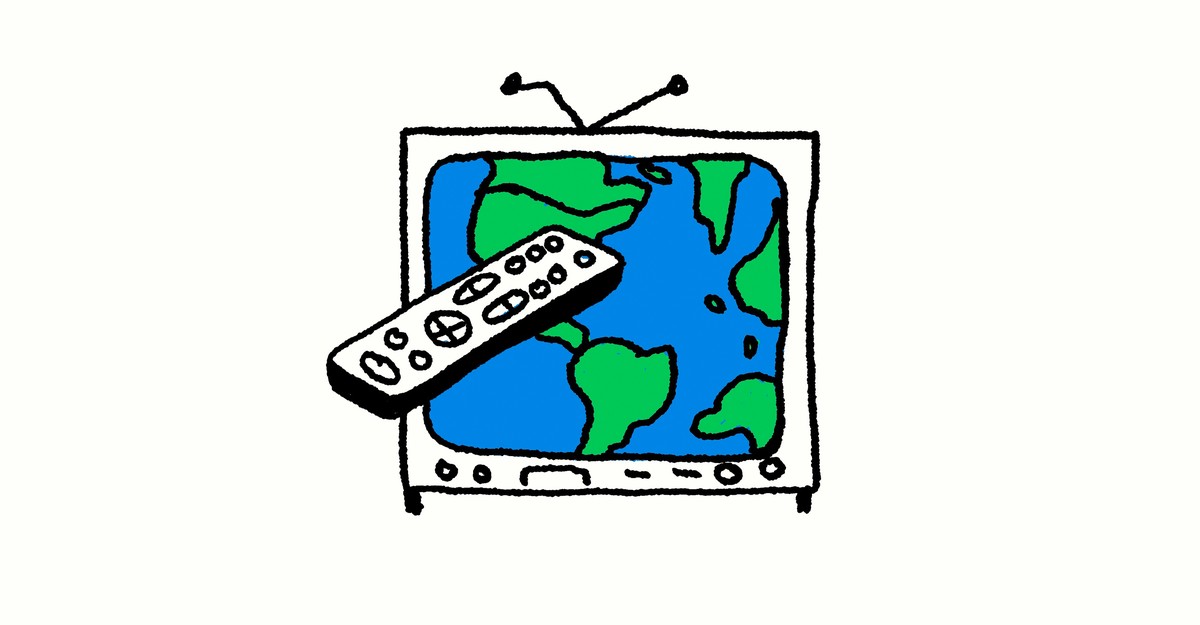
""I spoke to the governor; she was very nice. But I said, 'Well, wait a minute; am I watching things on television that are different from what's happening? My people tell me different. They are literally attacking and there are fires all over the place. It looks like terrible.' - President Donald Trump, discussing his desire to send National Guard troops to Portland, Oregon"
"He saw it on the television, the fires and the attacks. They looked like terrible! If he watched long enough, they started to look familiar, to loop back around, to start over again. It was amazing how the same protesters had been wreaking the same havoc in Portland, Oregon, every day and every night in exactly the same way, like clockwork, since 2020. How did they fix the buildings so quickly, in between pillages?"
"Interrupting the fires and the attacks, there was sometimes a lizard. The lizard was trying to sell car insurance. If you didn't watch television, you might never realize that animals could talk and that, when they did, it was to express their passion for various kinds of insurance. What was startling to him was how, despite all his efforts, the crime was still so rampant. Chicago was a war zone."
Television repeatedly presents images of fires and attacks in Portland as continuous, identical events that loop back and feel rehearsed. The repetition transforms unrest into a monotonous spectacle in which protesters enact the same havoc daily and properties are restored almost immediately. Broadcasts intersperse surreal commercial breaks featuring talking animals selling insurance, blending fantasy with news. Urban areas are portrayed as overwhelmed by crime, described as war zones requiring many forms of law enforcement. Local risks vary from fraud and mold to dangerous medicines, with ordinary traffic and weather details punctuating the coverage.
Read at The Atlantic
Unable to calculate read time
Collection
[
|
...
]