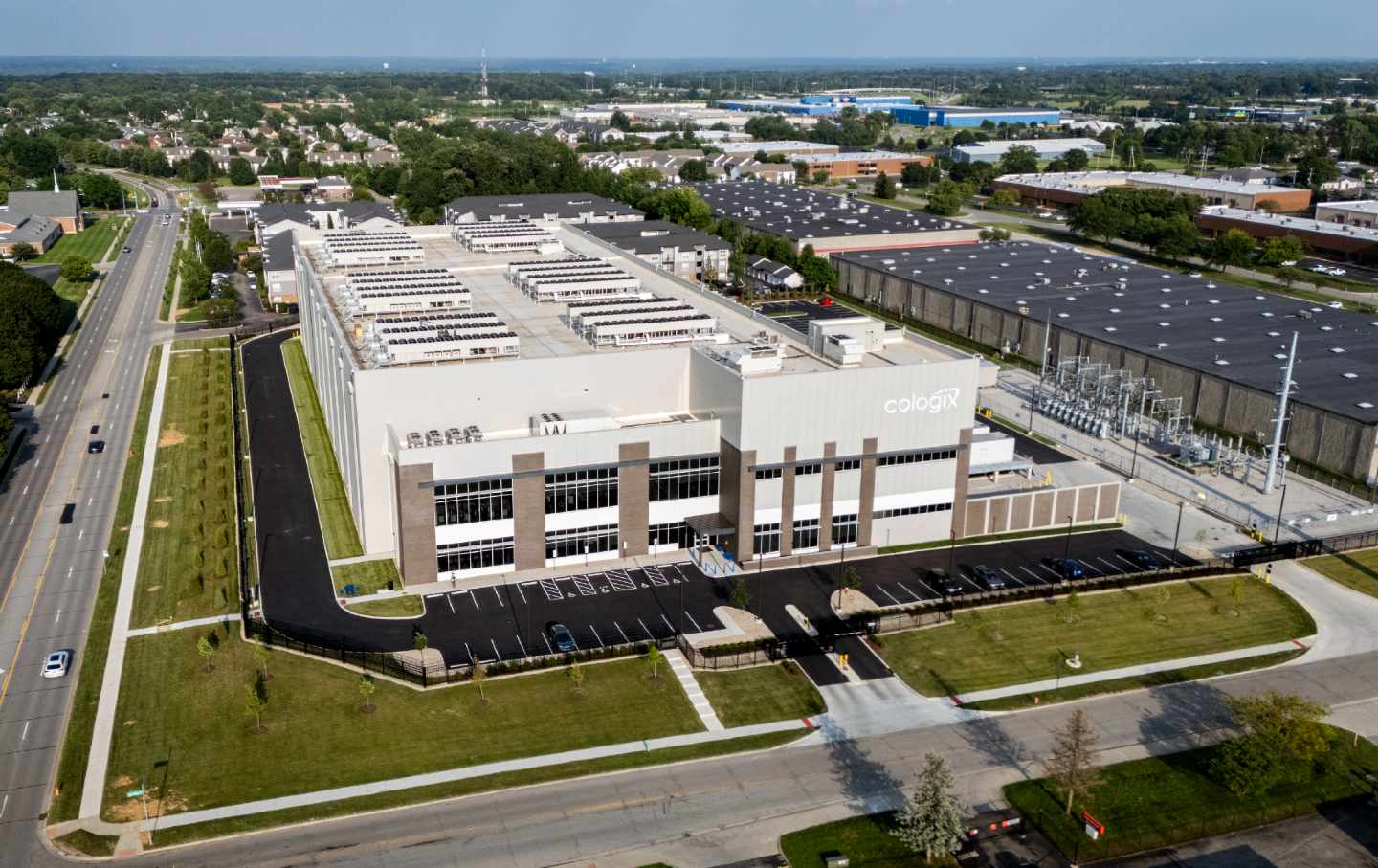
It was a warm, late-summer night when hundreds of residents packed City Hall in College Station, Texas to protest a proposed sale of 200 acres to a developer planning a major commercial development. Data centers require immense water and electricity, and the proposed project would have shifted significant control of municipal water and power to a private server farm. City staff and developers negotiated the deal with little public input, giving residents only days to respond. Nearly 80 people spoke at a six-hour meeting, mostly opposing the sale as an unnecessary giveaway for few permanent jobs and a one-time $30 million payout. The city council voted to kill the deal. Similar public resistance has emerged in other communities confronting corporate resource extraction and neighborhood impacts.
"Data centers are notoriously bad neighbors; their massive banks of servers, generating the computational power needed to run generative AI or mine cryptocurrencies, require immense amounts of water and electricity to operate. Developers and city staff had struck the deal in backrooms without public input, and residents had just days to react to a plan that would, in effect, hand over much control of the city's water and power to a privately-run server farm."
""I want the sale of property to do things that benefit me and my family and the community," local resident Jeffrey Herron said at the hearing, according to local media. "It seems like this sale benefits a very few people. The timing was terrible. We only had four days to figure out a solution for this. We do not want this in our neighborhoods.""
Read at The Nation
Unable to calculate read time
Collection
[
|
...
]