"By a 6-3 vote in the landmark case Youngstown Steel & Tube Co. v. Sawyer (1953), the Supreme Court disagreed. The majority opinion, written by Justice Hugo Black, held that Congress had refused to pass a statute that authorized the president to seize this kind of private property and, therefore, the president lacked legal authority for his actions."
"Last week, also by a 6-3 vote, the Supreme Court held that President Trump lacks the authority to impose tariffs under the International Emergency Economic Powers Act. The majority opinion, written by Chief Justice John Roberts, held that the text of the statute authorizes the president to "regulate" imports but that the word regulate does not include the power to tax."
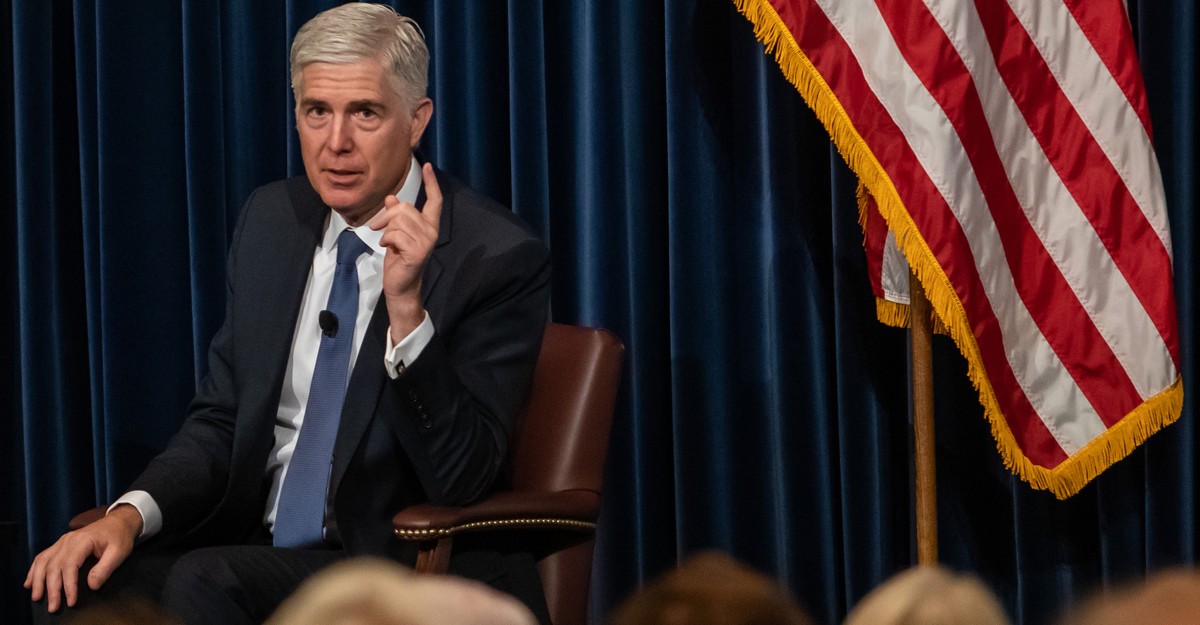
"Following in Jackson's footsteps, Gorsuch's concurring opinion may become the Roberts Court's most influential statement on how to prevent the steady accretion of executive power by encouraging Congress to do its job. Gorsuch did join Roberts's majority opinion in full, but it was in his concurrence where he sought to defend his vision of the major-questions doctrine, which he defined as the idea that "the President must identify clear statutory authority for the extraordinary delegated power he claims.""
The Supreme Court has consistently limited presidential power when statutory authority is absent. In 1952, President Truman seized steel mills during the Korean War, but the Court ruled he lacked legal authority in Youngstown Steel & Tube Co. v. Sawyer. Justice Jackson's concurrence emphasized separation of powers as crucial for defending liberty. Recently, the Court again restricted presidential authority, ruling President Trump cannot impose tariffs under the International Emergency Economic Powers Act. Chief Justice Roberts's majority held that "regulate" does not include taxing power. Justice Gorsuch's concurrence, following Jackson's approach, stressed the major-questions doctrine requiring clear statutory authority for extraordinary delegated presidential powers, potentially becoming the Court's most influential statement on preventing executive power consolidation.
#presidential-power-limits #separation-of-powers #supreme-court-decisions #major-questions-doctrine #executive-authority
Read at The Atlantic
Unable to calculate read time
Collection
[
|
...
]