"All they ask, we could readily grant, if we thought slavery right; all we ask, they could as readily grant, if they thought it wrong. Their thinking it right, and our thinking it wrong, is the precise fact upon which depends the whole controversy."
"Waterston may be Cambridge born, but his voice that night had a prairie twang, and like Lincoln he was lanky, urgent, and utterly in earnest. The long standing ovation he received provided the answer to whether a speech like this could hold a modern audience's interest."
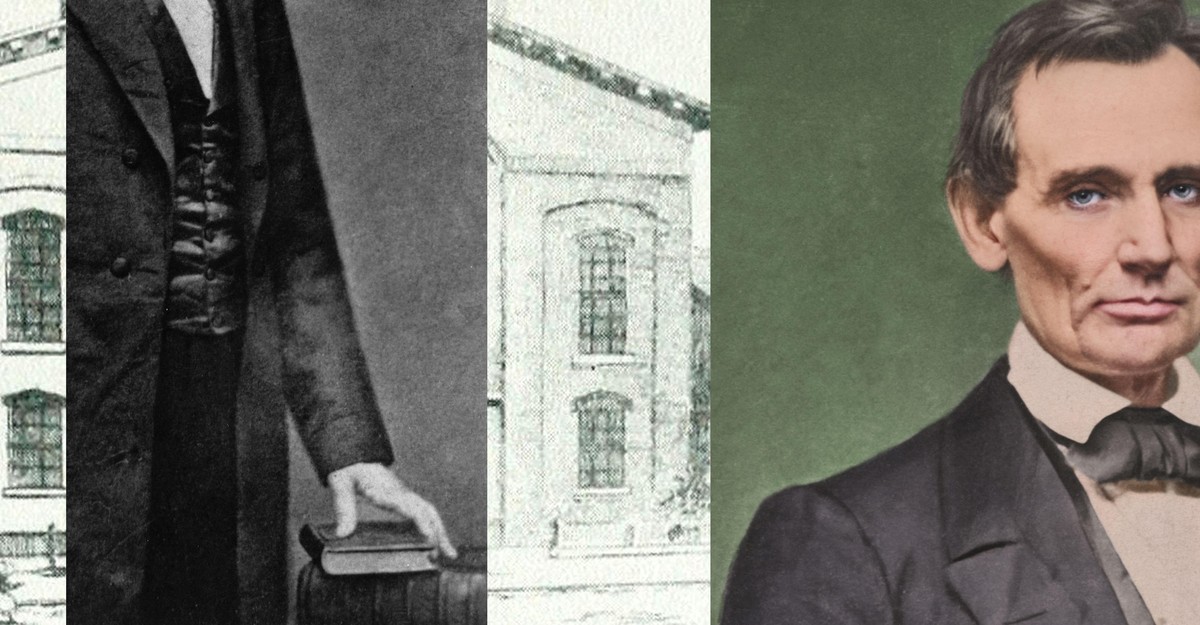
Lincoln's 1860 Cooper Union address addressed three audiences: skeptical easterners questioning his presidential credentials, those supporting popular sovereignty on slavery, and hostile southern opinion leaders. The speech examined the Founders' views on slavery while maintaining laser focus on the fundamental disagreement: whether slavery was right or wrong. In 2004, actor Sam Waterston recited the entire 90-minute speech in the same Great Hall, demonstrating that modern audiences remain captivated by its knotty history, intricate legal arguments, and inspiring conclusion. The speech's enduring power stems from its high seriousness and moral clarity, qualities that distinguish it from contemporary political speechmaking.
#lincolns-rhetoric #moral-clarity-in-politics #historical-speeches #slavery-and-the-union #contemporary-political-discourse
Read at The Atlantic
Unable to calculate read time
Collection
[
|
...
]