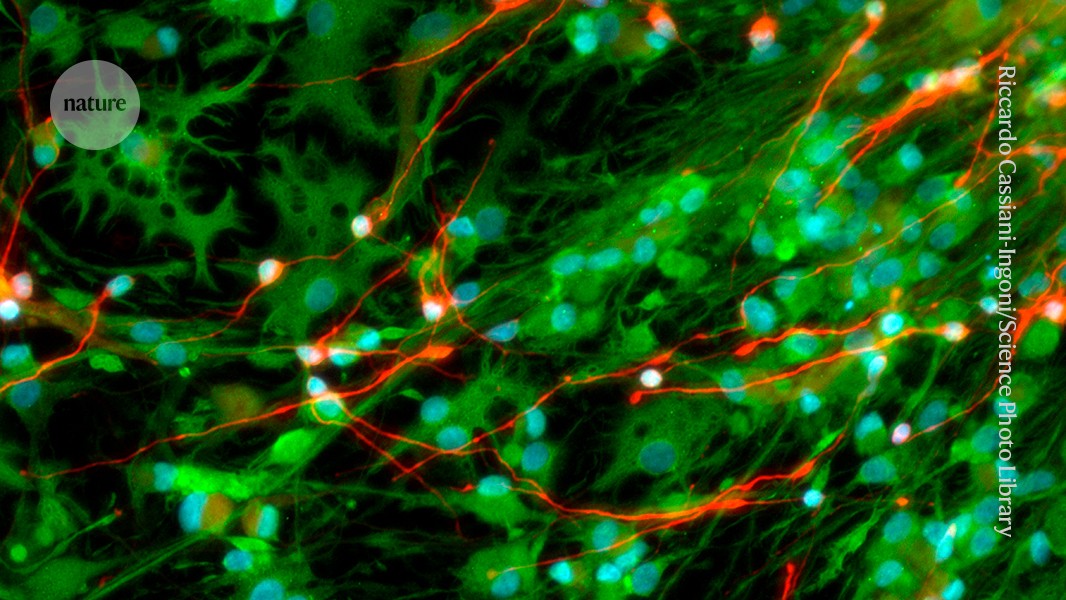
"The US National Institutes of Health (NIH) will continue to fund research on fetal tissue from miscarriages and stillbirths, according to an announcement made on 22 January. But researchers say the new restrictions, which were applauded by opponents of abortion, will make it more difficult to study fetal development and stem cell biology, and will slow the hunt for new medical treatments."
"Goldstein says that not all research can be done using alternative methods. "If you want to make fetal kidney cell types for further development for a disease study, you have to have actual fetal kidney to compare the stuff you made," he says. "To not realize that reflects a complete lack of understanding of the field.""
"But it is also not a dead end for all such research, he adds: some scientists will turn to a much smaller pool of private funding in lieu of government grants. "Research is going to go ahead, [the decision is] just slowing it down," Goldstein says."
NIH will no longer support studies that use human fetal tissue derived from elective abortions. NIH will continue to fund research on fetal tissue from miscarriages and stillbirths. The new restrictions will make it more difficult to study fetal development and stem-cell biology and will slow the search for new medical treatments. Some scientists will seek private funding instead of government grants, which will slow progress. NIH funded 77 projects involving human fetal tissue in the fiscal year beginning September 2023. NIH suggests alternatives such as computational biology and three-dimensional cell cultures. Not all research can use those alternatives because fetal tissue remains the gold standard for certain comparisons.
Read at Nature
Unable to calculate read time
Collection
[
|
...
]