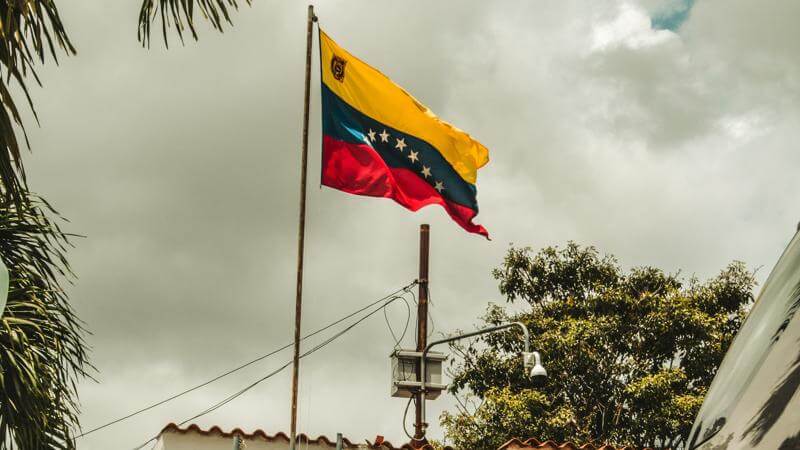
"As a result they're supposed to build a case, to Congress and the American people in the court of public opinion, that intervention is an unfortunate necessity, driven by pressing matters like human rights abuses that compel us to act because we're good people and we care so much about the plight of those poor souls living under a harsh, tyrannical regime."
"You're supposed to say that we're "bringing freedom" to the oppressed! You are not, in other words, supposed to play up the seizure of valuable assets as the main reason for why you're preparing to invade another country-not if you in any way care about our nation's global image. And it's safe to say that Donald Trump doesn't, given that he just admitted that the U.S. will be claiming the entirety of Venezuela's oil reserves for itself."
"Therefore, just go ahead and read this particular ramble, if you can stomach it. It's the only way to really suffuse yourself in the aura of crazy that Trump is projecting these days as he straight up proclaims that the oil of Venezuela in fact belongs to America, which is why we've begun a "complete and total blockade" of Venezuelan oil tankers (and maybe other random ships?)."
U.S. leaders typically present ground invasions as reluctant, necessary responses to humanitarian or security crises, emphasizing freedom and human rights while downplaying material motives. Political leaders build public and congressional support by framing intervention as an unfortunate necessity to prevent suffering or tyranny. Donald Trump openly claimed that the United States will claim the entirety of Venezuela's oil reserves and announced a "complete and total blockade" of Venezuelan oil tankers. The claim frames seizure of Venezuelan oil as an explicit objective, sidelining customary humanitarian rhetoric and raising controversy over motives and international reputation.
Read at Jezebel
Unable to calculate read time
Collection
[
|
...
]