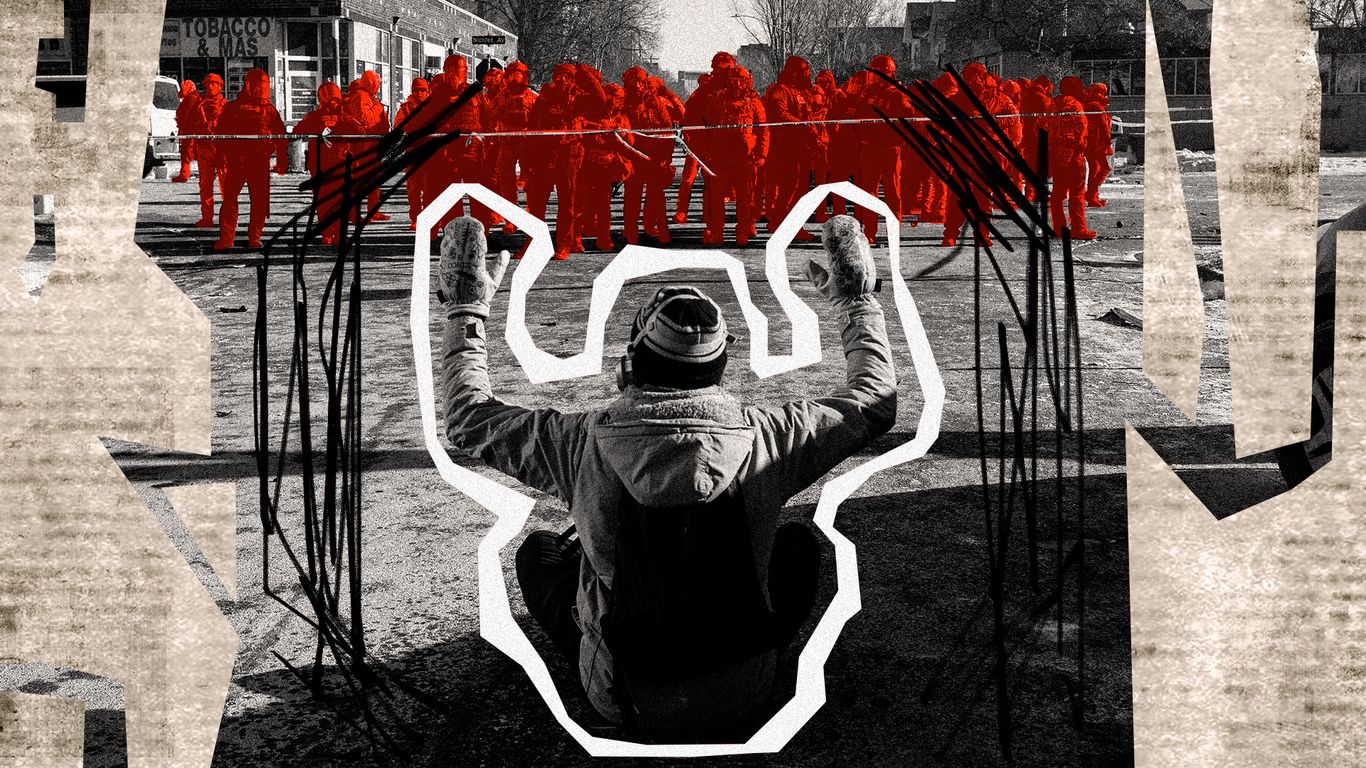
"The big picture: American public opinion famously behaves like a thermostat - rising and falling in response to perceived excess by one side. In 2020, George Floyd's murder triggered a surge of protests, corporate activism and police reforms that pushed institutions sharply toward social justice causes. By 2024, backlash to so-called "woke" excesses had become a dominant political force. Much of corporate and cultural America interpreted President Trump's victory as a mandate to stand down."
"Zoom in: The same model of thermostatic opinion applies to America's views on immigration. Trump won on the promise of the largest mass deportation operation in U.S. history - a relatively popular concept after millions of undocumented migrants entered the U.S. under President Biden. But the politics changed - slowly, then sharply - as immigration enforcement became increasingly visible, indiscriminate and lethal."
Public opinion responds to perceived excesses by shifting direction, often abruptly. A surge of social justice activism followed George Floyd's murder, moving institutions toward reform. A later backlash against perceived "woke" excesses prompted many corporations and cultural institutions to pull back. The thermostatic model also applies to immigration: initial support for large-scale deportation softened as enforcement grew more visible, indiscriminate and lethal. High-profile shootings by immigration agents and widespread corporate condemnations have driven confidence in ICE down and eroded public approval for strict enforcement policies.
Read at Axios
Unable to calculate read time
Collection
[
|
...
]