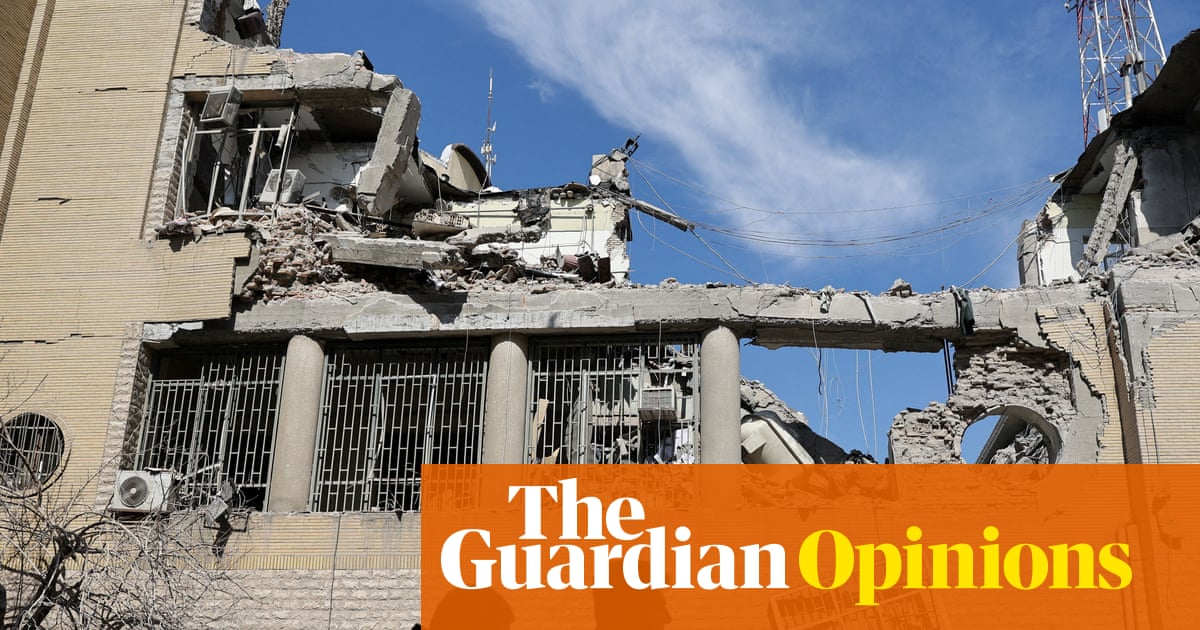
"In a constitutional system built on checks and balances, that system is supposed to constrain the use of military force before it unfolds. Instead, constraint is arriving afterward if at all. Lawmakers in the US are now invoking the war powers resolution. Constitutional scholars argue the strikes stretch or violate its limits."
"In private briefings, Pentagon officials reportedly told members of Congress there was no intelligence showing Iran was about to attack US forces first. That directly contradicts the urgency Donald Trump offered the public as justification. When Congress and the rest of us dispute the justification for emergency action, the system should slow down."
"These mechanisms are designed to prevent escalation, not merely to criticize it after the fact. Those guardrails have weakened in practice, however. We see war powers invoked reactively. Impeachment has become structurally partisan; it is now more admonishment than accountability."
Military strikes were conducted before public notification or congressional authorization, followed by debates over constitutional legality and the War Powers Resolution. Pentagon officials reportedly contradicted the administration's stated justification for emergency action, indicating no imminent Iranian threat. Constitutional guardrails designed to prevent military escalation—including congressional war declaration authority, the War Powers Resolution, impeachment, and criminal liability—have weakened in practice. These mechanisms now function reactively rather than preventatively. Impeachment has become partisan and ineffective as accountability. The regression from the Iran nuclear agreement to military action represents a broader erosion of constraints on presidential power, with debate occurring after force deployment rather than before.
#presidential-power #constitutional-checks-and-balances #war-powers-resolution #military-authorization #iran-policy
Read at www.theguardian.com
Unable to calculate read time
Collection
[
|
...
]