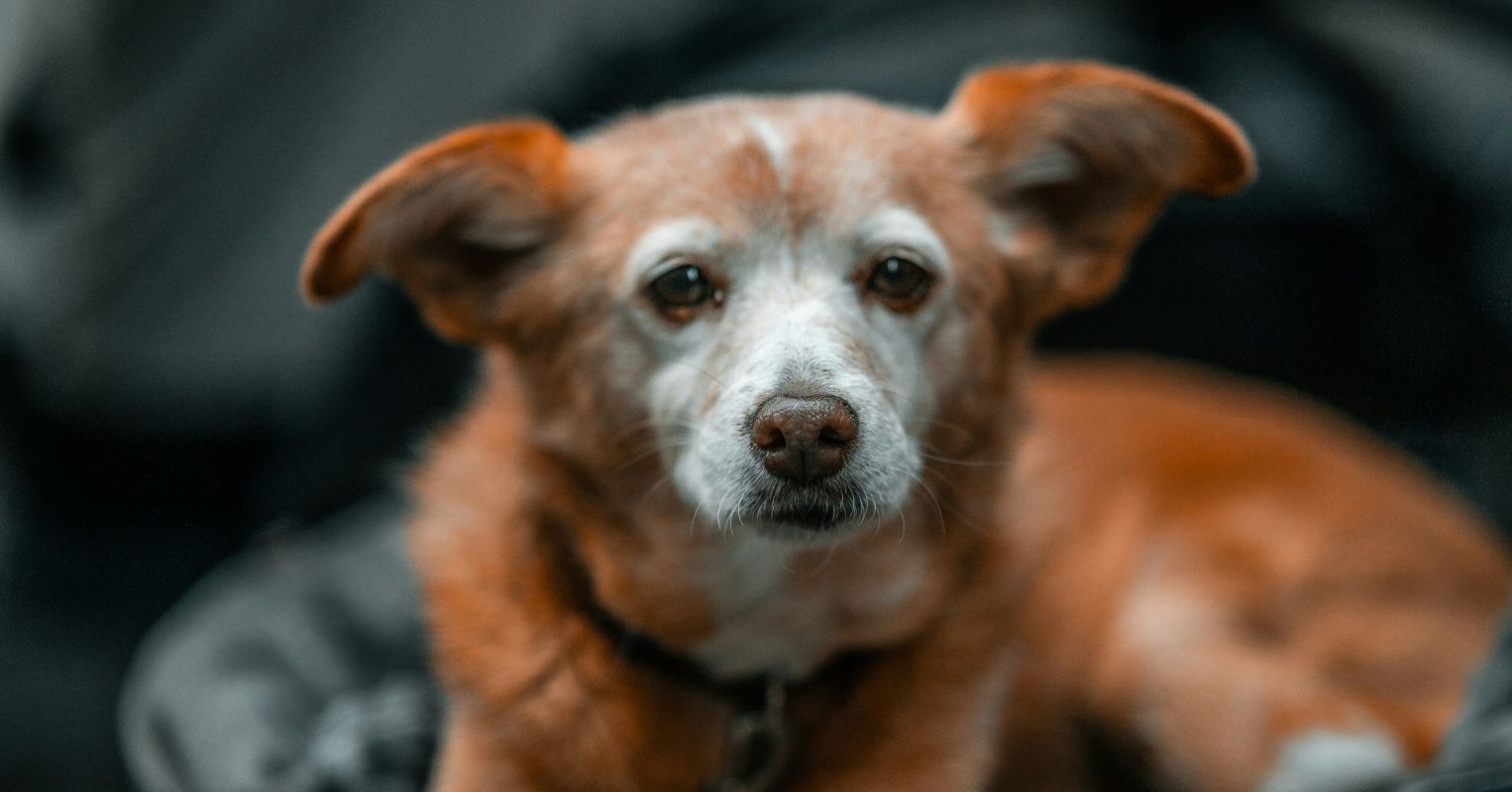
"The human-animal bond is really not an abstract concept. It is built through mutual respect, love, and daily caretaking, which creates an emotional reliance. When ICE detains or deports a person without warning, that bond is severed abruptly, leaving severe and lasting consequences for both people and pets."
"For many immigrant families, animals are central to their emotional stability. Pets often serve as strong sources of support during isolation, stress, and uncertainty. Children turn to animals for comfort when navigating cultural transitions or family separation. Older adults rely on animals to structure their day and reduce loneliness. In rural and agricultural communities, relationships with livestock are tied not only to income but to cultural identity and generational knowledge. These bonds are formed over years, yet they can be ripped to shreds in a single enforcement action."
Separation from immigration enforcement severs emotional bonds between people and animals, producing lasting trauma for families and pets. Pets serve as emotional support across ages and contexts, helping children, older adults, and rural households maintain stability, cultural identity, and livelihoods. Sudden detainment leaves animals unattended in homes, farms, or apartments, causing hunger, injury, escape, loss, or lack of medical care. Fear of enforcement discourages people from seeking veterinary services, quietly worsening animal health and public safety. Neighbors or landlords sometimes intervene, but the abrupt rupture of caretaking often produces long-term harm to community trust and animal welfare.
Read at Psychology Today
Unable to calculate read time
Collection
[
|
...
]