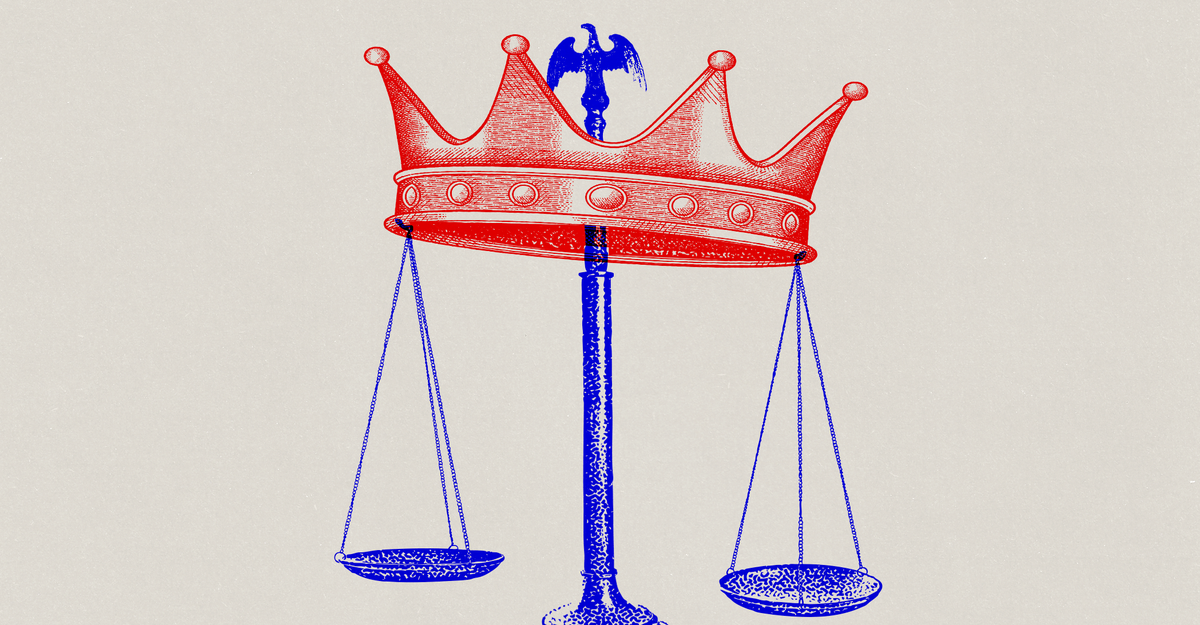
Globally, prominent political figures face criminal consequences for serious offenses including coup attempts, abuse of power, and financial crimes. However, American leadership has established a pattern of escaping accountability since Richard Nixon's resignation. Both political parties have worked to shield their leaders from punishment, exemplified by Gerald Ford's pardon of Nixon and the Reagan administration's Iran-Contra violations. Donald Trump represents the culmination of this trend, evading consequences for campaign finance violations and his attempted government overthrow through Supreme Court immunity. This systemic impunity reflects a broader American culture protecting wealthy and powerful individuals from criminal prosecution.
"Since Richard Nixon was forced to resign, powerful people in both political parties have worked assiduously to ensure that their leaders would escape the consequences of their actions. Trump has evaded punishment for crimes both low (campaign-finance violations, for which he was convicted, though he will serve no time thanks to his 2024 victory) and high (his attempted overthrow of the federal government in the aftermath of his 2020 election loss, for which he was spared by the Supreme Court's decision to grant him a kingly immunity)."
"This is not just about Trump; his impunity is the product of a society that has worked hard to help the rich and powerful elude punishment for criminal behavior."
"Gerald Ford pardoned his predecessor in the name of 'healing,' but inadvertently set a precedent that executive lawbreaking was no crime. The Reagan administration engaged in blatant violations of federal law during the Iran-Contra scandal, in which it sold weapons to the Iranian regime."
#political-accountability #executive-immunity #criminal-justice #american-exceptionalism #institutional-corruption
Read at The Atlantic
Unable to calculate read time
Collection
[
|
...
]