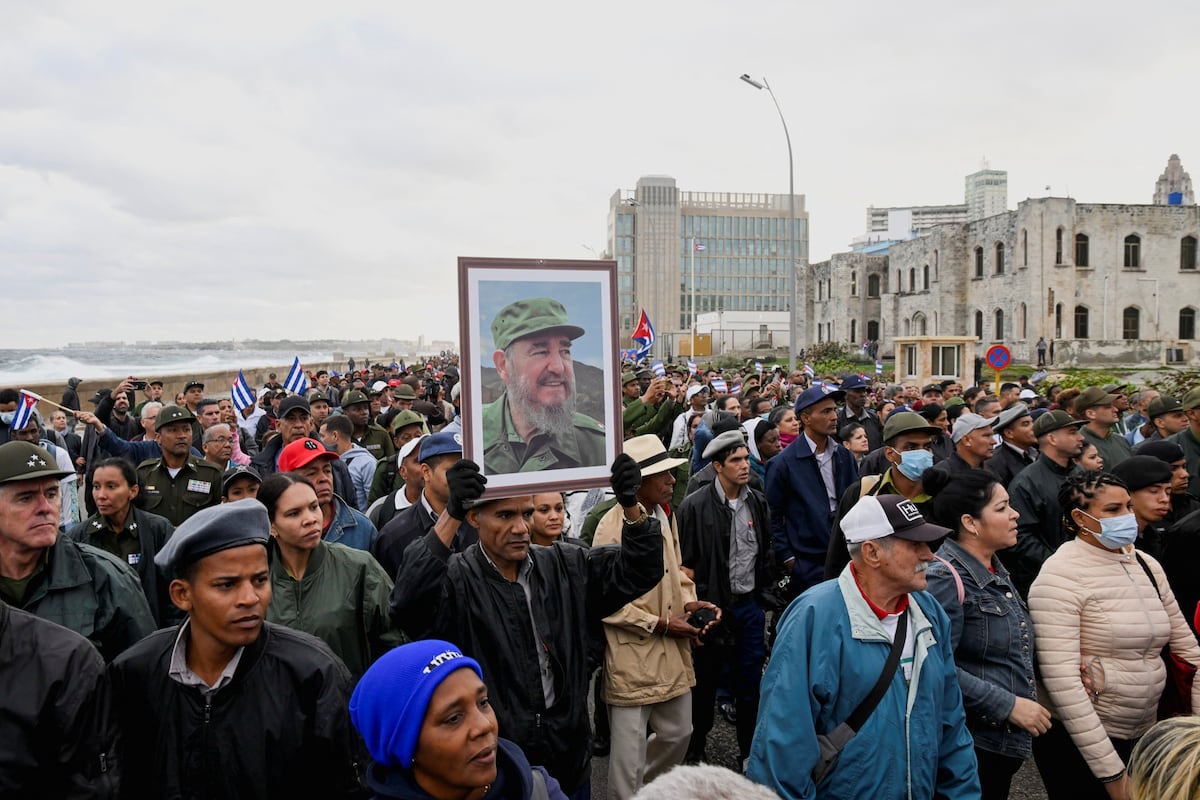
"The zero option was mooted by Fidel Castro in the 1990s after the fall of the Soviet Union. Without the support of the Soviets, especially regarding oil shipments, Castroism came up with a survival strategy: strict rationing, suspension of public transportation and temporary closure of schools and universities. The strategy was narrowly avoided. But now, three decades later, the zero option has veered back into view as the country teeters on the edge of its worst crisis in recent history."
"Following the U.S. sanctions on fuel suppliers, the Cuban government has implemented measures similar to those planned back in the 1990s. President Miguel Diaz-Canel asked Cubans for effort and creativity, while acknowledging that he is already in negotiations with Washington. With the threat of military intervention on hold, Donald Trump has dialed up the pressure on a 60-year embargo, which in turn has led to talks and increased uncertainty among the population. For a month now, expectations have been shifting. If the year began with the fear of a replica of the operation that captured Nicolas Maduro in Caracas, by mid-January it seemed that Washington preferred to sit back and wait for Cuba's inevitable collapse. Now, negotiations are on the agenda, though the framework remains vague."
"Early February, Cuban Foreign Minister Carlos Fernandez de Cossio acknowledged the exchange of messages at the highest level. Without there being any formal negotiations as yet, the Cuban Foreign Ministry has been laying the groundwork for some time, according to the statements of both parties. In a statement that took many by surprise, the Foreign Ministry said on February 1 that Cuba is willing to reactivate and expand bilateral cooperation with the United States and proposes to renew technical cooperation in areas that include the fight against terrorism, the prevention of money laundering, the fight against drug trafficking, cybersecurity, human trafficking and financial crimes."
Fidel Castro proposed a ‘‘zero option’’ in the 1990s after the Soviet Union's collapse, including strict rationing, suspended transit and temporary school closures as a survival strategy. That plan was narrowly avoided then. Three decades later, the zero option has resurfaced amid severe fuel shortages caused by U.S. sanctions on suppliers. The government has reintroduced similar austerity measures. President Miguel Diaz-Canel called for effort and creativity and acknowledged ongoing contacts with Washington. Expectations shifted from fears of military intervention to a U.S. strategy of pressure and waiting for economic collapse, and now tentative high-level exchanges and proposals for bilateral cooperation are unfolding.
Read at english.elpais.com
Unable to calculate read time
Collection
[
|
...
]