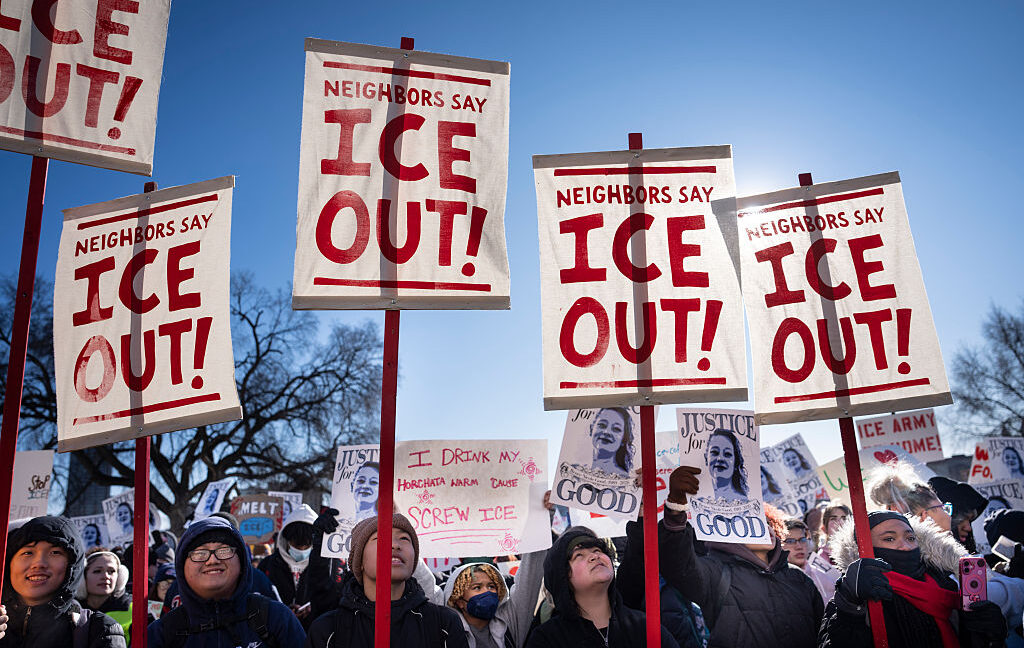
"DHS initially fought Doe's motion to quash the summonses, arguing that the community watch groups endangered ICE agents by posting "pictures and videos of agents' faces, license plates, and weapons, among other things." This was akin to "threatening ICE agents to impede the performance of their duties," DHS alleged. DHS's arguments echoed DHS Secretary Kristi Noem, who has claimed that identifying ICE agents is a crime, even though Wired noted that ICE employees often post easily discoverable LinkedIn profiles."
"But then, on January 16, DHS abruptly reversed course, withdrawing its summonses from Meta. A court filing confirmed that DHS dropped its requests for subscriber information last week, after initially demanding Doe's "postal code, country, all email address(es) on file, date of account creation, registered telephone numbers, IP address at account signup, and logs showing IP address and date stamps for account accesses.""
DHS sought subscriber information from Meta linked to Instagram and Facebook accounts that monitored ICE activity in Pennsylvania. John Doe sued to block ICE from identifying him and other critics, arguing those summonses infringed First Amendment-protected activity. DHS argued the community watch groups endangered ICE agents by posting identifying images and information and likened such sharing to threatening agents. DHS invoked a customs statute to subpoena account data. On January 16, DHS withdrew the summonses; a court filing confirmed the agency dropped requests for detailed subscriber metadata and access logs. Similar prior requests about six Instagram groups were also withdrawn after legal challenges.
Read at Ars Technica
Unable to calculate read time
Collection
[
|
...
]