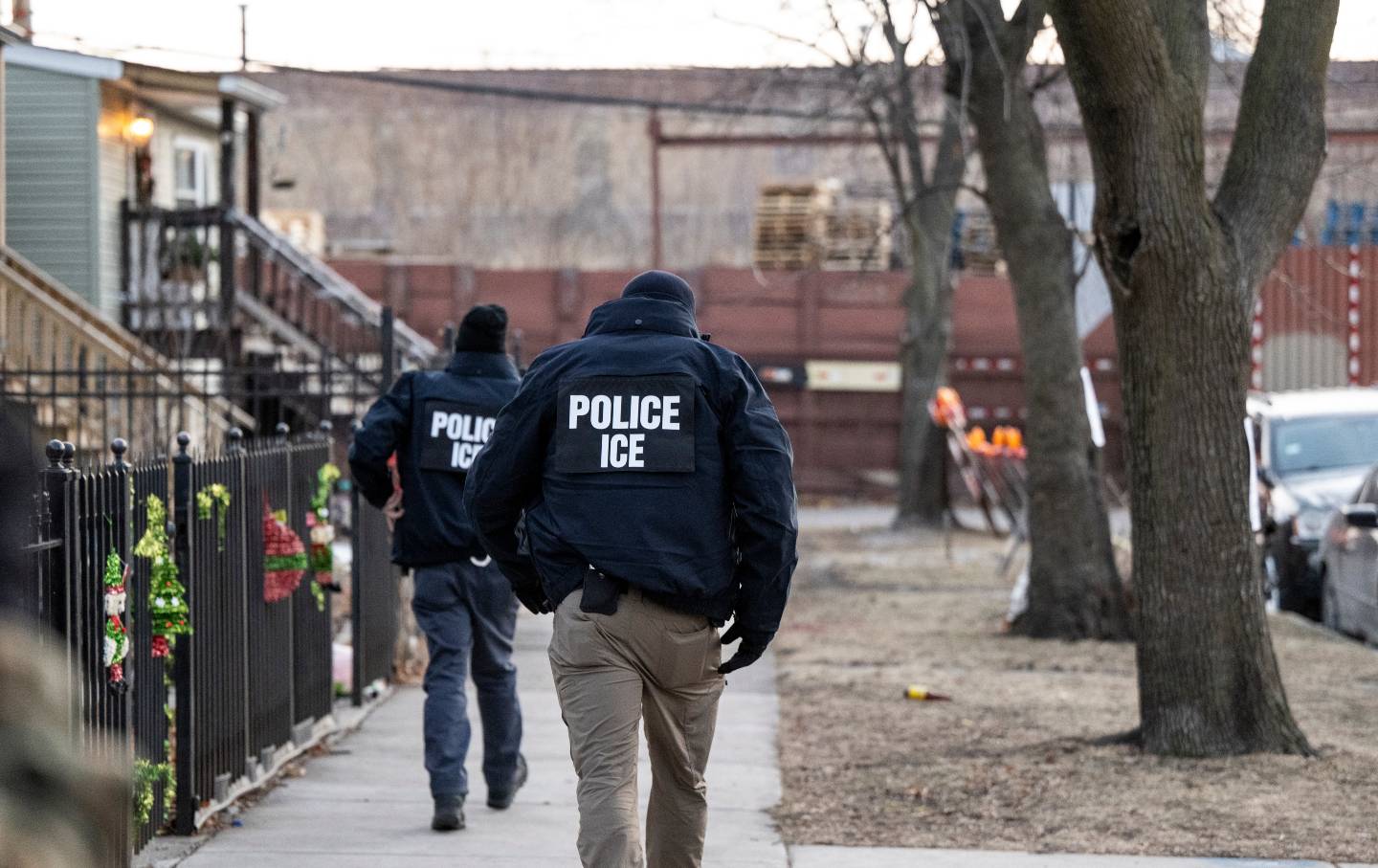
"My father froze. He looked at my mom, then at me. For a few seconds, nobody moved. My mom whispered, "Don't open it." But he did. Maybe it was pride. Maybe it was fear. Maybe he thought cooperating would make it all OK. The people at the door said it would be quick, just a few questions. They said he'd be back soon. They said a lot of things that didn't turn out to be true."
"By sunrise, my father was gone. The door was still open, as if they had left in a hurry. The cold rushed into the house like it was going to live with us now. That morning, the air felt heavy. No sirens, no shouting, just my mom's quiet breathing. She stood in the kitchen for hours, staring at her phone. It didn't ring."
"For days, the silence was deafening. My mother and I spoke, but only around the loss, never through it. It was like we were both holding a fragile thing between us, afraid that naming it would cause it to shatter. She started keeping the TV on-not to watch, just to fill the void: judge shows, gospel channels, cooking contests. I'd still set a plate for him at dinner, then realize halfway through the process that he wasn't coming."
An ICE early-morning raid in Chicago removes a father from his family, leaving the household cold, empty, and unsettled. The father opened the door despite his wife's whispered warning, trusting officers' promises that he would return quickly. By sunrise he was gone and the open door let the cold into the home as if it would stay. Silence dominated the following days; mother and child avoided speaking directly about the loss and kept the TV on to fill the void. Meals continued out of habit, neighbors withdrew in fear, and the family experienced isolation and dread.
Read at The Nation
Unable to calculate read time
Collection
[
|
...
]