"Once a customer bought a car, that software could stay locked in a box and never need to be updated unless something was wrong (and then it was a trip to a dealership). That strategy worked great right up until cars became rolling data centers on wheels. Now automakers are starting to stare down the reality of what complex hardware and connected software really meanboth the advantages and disadvantages. And the consensus? Maybe platform sharing and open-source software was the right idea all along."
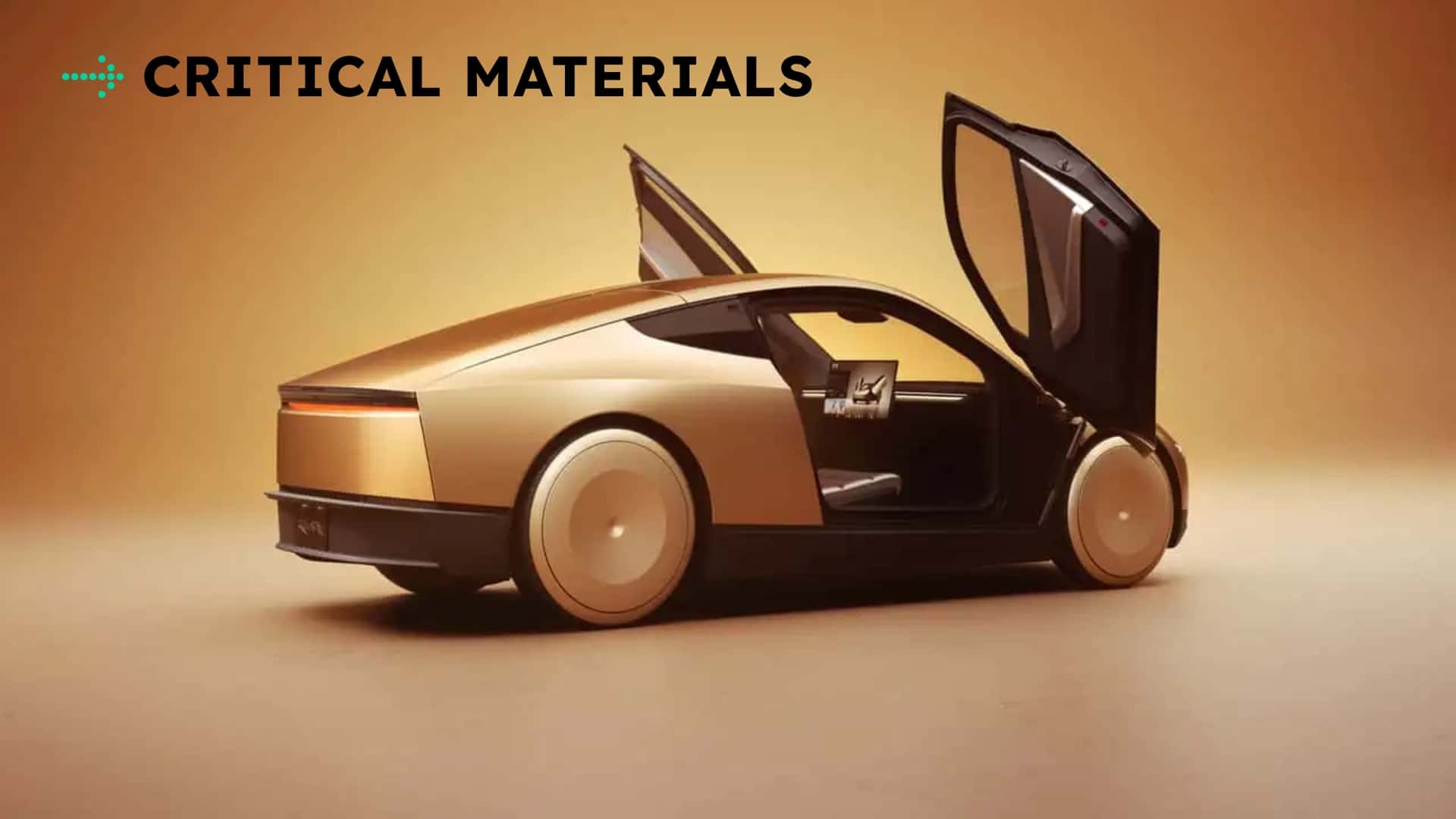
"Tesla's Cybercab has faced a fair bit of skepticism since it was announced in late 2024. It's designed for ride-hailing yet only has two seats. It's supposed to cost under $30,000 and be fully autonomous, something Tesla hasn't quite cracked the code to yet. Then there are the hoops Tesla would need to jump through in order actually sell it to the masses without a steering wheel or pedals. Congress could give the automaker exactly the break it needs."
"Later this month, lawmakers on the House Committee on Energy and Commerce will hold a hearing on a bunch of proposals, including a bill called the Motor Vehicle Modernization Act. If passedand it's a long way from that at this pointthe bill would raise the number of vehicles an automaker is permitted to produce annually that do not adhere to Federal Motor Vehicle Safety Standards."
For decades the auto industry treated in-vehicle software as static and only serviced during dealer visits when malfunctions occurred. That approach worked until vehicles evolved into connected rolling data centers, making software complexity and updates central to vehicle functionality. Automakers now must confront both advantages and disadvantages of integrated hardware and software, and many see platform sharing and open-source approaches as preferable. Tesla's Cybercab faces skepticism due to its two-seat ride-hailing design, promised sub-$30,000 price, and reliance on full autonomy not yet achieved. The Motor Vehicle Modernization Act would raise the annual exemption cap from 2,500 to 90,000, enabling larger-scale production of steering-wheel-free models.
Read at insideevs.com
Unable to calculate read time
Collection
[
|
...
]