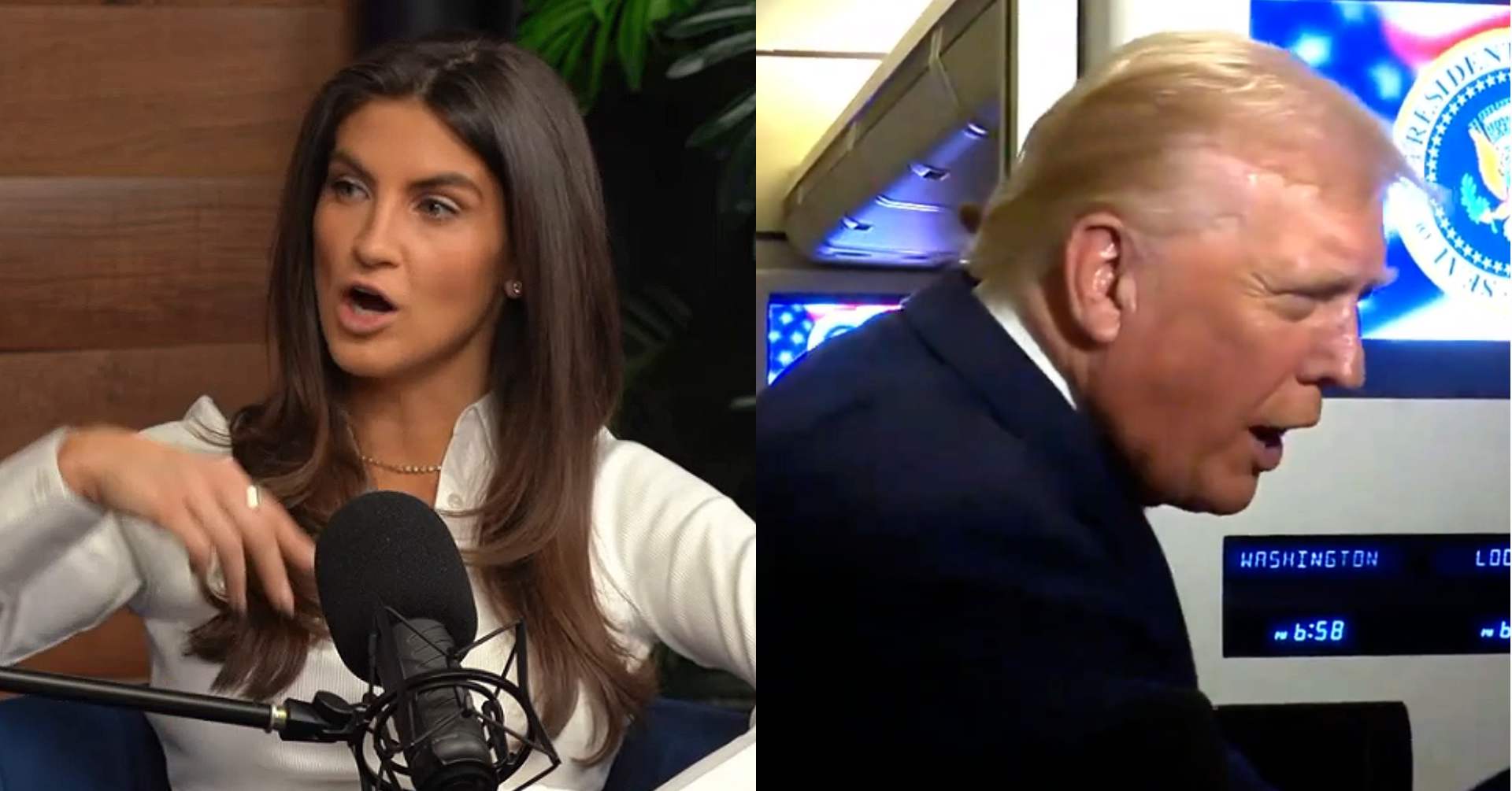
"And I reached out to her after that because it's just inappropriate. And I think you have to at least say, hey, that's not cool. Or I can remember when the president did this to Wei Zhejiang when we were in round one. And she asked him a question about COVID and he told her to go ask China that question."
"She grew up in West Virginia. And so we just, in that moment, and he tried to move on to me in that movement. And I was like, no, no. She has a follow-up and I'm gonna let her follow up. Because it was just like, you can't, someone has to stand up for it and have a backbone in that moment."
President Trump made demeaning remarks toward women reporters, prompting peers to respond. A reporter reached out to a colleague after an inappropriate on-air comment. Another reporter intervened when the president tried to move on from a follow-up question and told a journalist to redirect the query elsewhere. Solidarity and visible support in those moments are presented as necessary to uphold journalistic standards. Standing up prevents normalization of disrespect, sends a message to the press corps, influences public perception, and helps ensure all reporters can pursue their questions and responsibilities effectively.
Read at www.mediaite.com
Unable to calculate read time
Collection
[
|
...
]