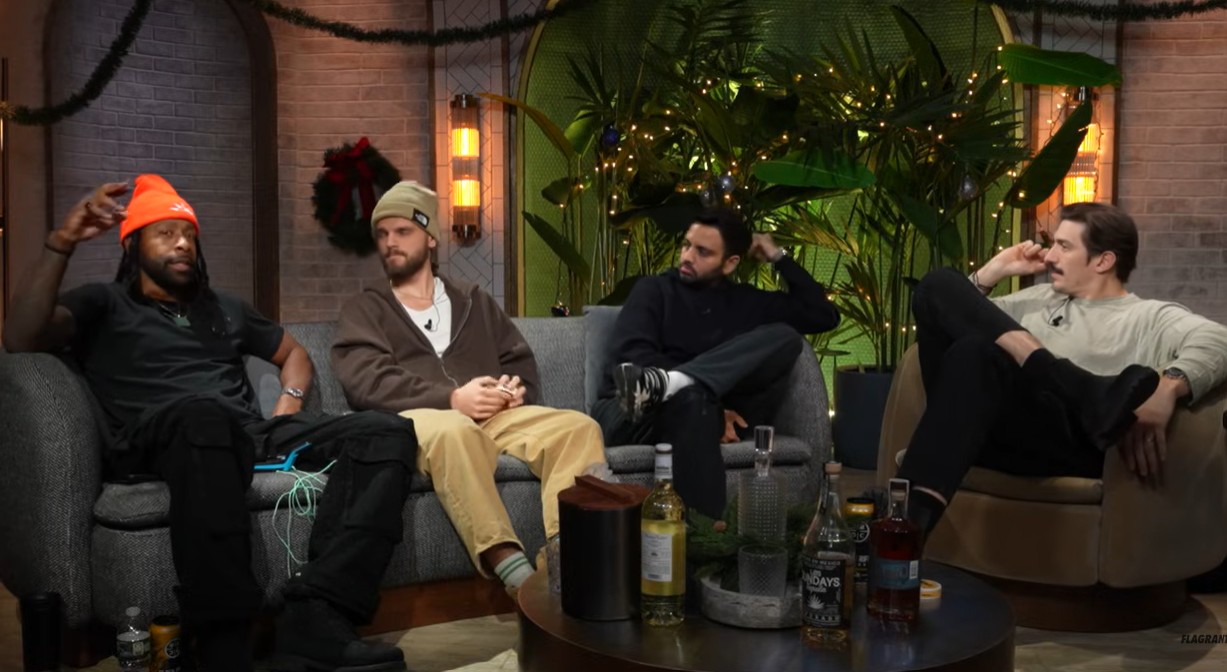
"This is what I imagine the pardons are. It's either like a favor from someone close to you before you get out of there, somebody who has been loyal to you and got hemmed up in some sh*t, and you're like, I need to protect them,' you know. Or there is political capital in the pardoning. You know, January 6th people there's political capital in pardoning all of them, right? Rouse up the base, base is excited."
"Like, allegedly it was like he got pardoned and then he has all these funds that he's able to like reinsert back into Trump's projects. Yeah, like his crypto projects. Allegedly. I don't know if this is the case this is what I've heard, Gagnon replied. Schulz replied, Yeah. I mean, that checks out. So then you're paying for it. Gagnon agreed, Yeah. Yeah. It's like a little, you know, you scratch my back type of thing. Schulz added, I'll scratch yours."
President Donald Trump issued a pardon for a crypto billionaire accused of facilitating money laundering and deemed a national security threat. Commentators criticized the pardon as functioning either as a favor to loyal associates, a political tool to energize a base, or a transaction involving payment. Specific allegations suggested pardoned individuals could reinvest freed funds into the president's projects, including crypto ventures. Questions were raised about whether pardons serve as an appropriate check on the judiciary and why the president can unilaterally negate criminal liability. The legitimacy, justification, and potential for abuse of the presidential pardon power were debated.
Read at www.mediaite.com
Unable to calculate read time
Collection
[
|
...
]