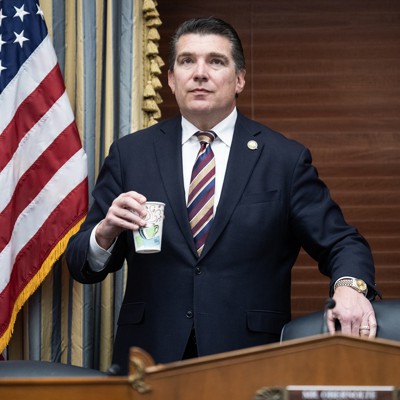
"We thought that the conversation needed to be had. I was shocked when we got it out of [Energy and Commerce]. I was flabbergasted when it got off the floor of the House, and I wasn't surprised at all when the Senate stripped it out. But I think people took the wrong message away from it."
"What we were saying is that the federal government needs to go first and define where the lanes are, what is preempted as interstate commerce, and where the states can then go innovate."
"We never expected to even get it out of [the] Energy and Commerce [Committee],"
The 2025 artificial intelligence moratorium failed to make it into last year's budget reconciliation bill and was intended as a messaging amendment. The provision aimed to delineate where states have lanes in regulating AI while emphasizing the need for an overarching national law to create uniform guardrails. A sector-specific, risk-based regulatory approach is advocated, with the federal government taking the lead to define what is preempted as interstate commerce and where states may innovate. The moratorium fractured typical party lines, with some Republicans supporting it and others opposing it on states' rights grounds.
Read at Nextgov.com
Unable to calculate read time
Collection
[
|
...
]