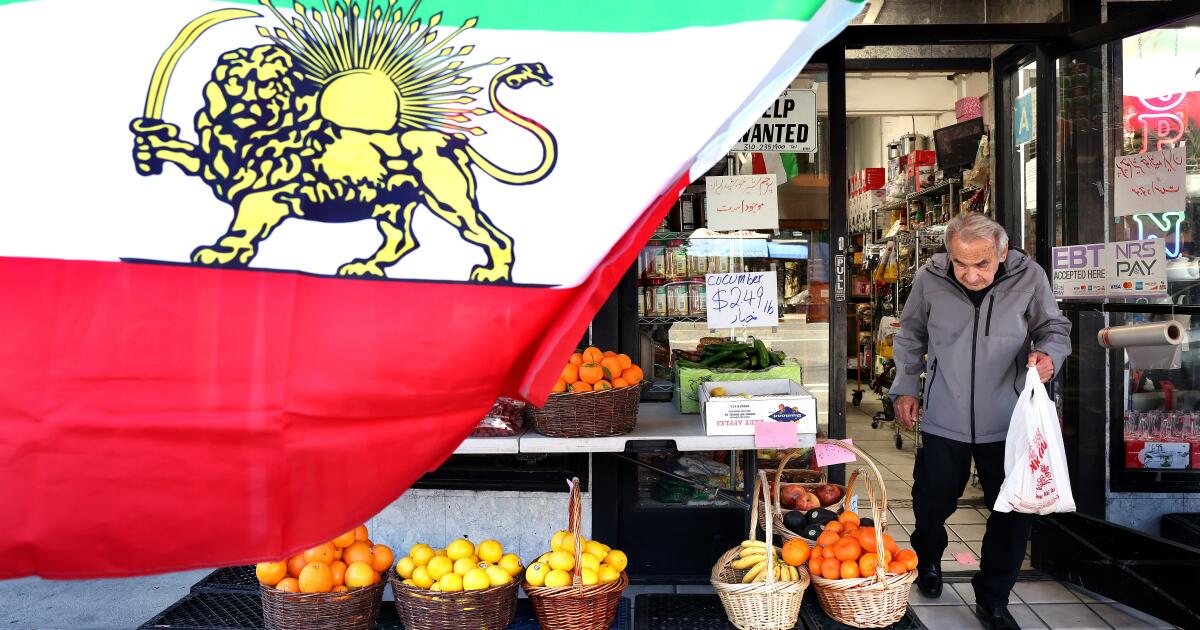
"I don't think you're going to find many people in support of that dictatorship or the mullahs that are in power right now. I think the world is a better place today. But the fleeing relief that Saghatelian, 45, felt last week as an exile from Iran quickly turned to the dread he feels as an American citizen and taxpayer: What if his adopted country gets sucked into another long, deadly and expensive conflict like the war in Iraq?"
"In Iraq, after a U.S. invasion toppled dictator Saddam Hussein in 2003, sectarian leaders stepped into the vacuum. The long-simmering rivalry between Sunni and Shiite Muslims erupted into a civil war that killed tens of thousands of civilians."
"It's more complicated ethnically, civically and historically, so a protracted war there is not going to be like Iraq - it's going to be 10 times worse. A destabilized Iran, with its complex cultural heritage and patchwork of ethnic and religious groups, could devolve into a far worse mess than post-invasion Iraq."
Iranian Americans in Los Angeles initially celebrated the death of Iran's supreme leader, viewing it as liberation from dictatorship. However, their initial relief quickly transformed into anxiety about potential military escalation and prolonged conflict. Drawing parallels to the Iraq War, community members worry that destabilization in Iran could trigger sectarian violence and civil war. Former Iranian dissident Roozbeh Farahanipour warns that Iran's complex ethnic, religious, and historical composition makes it vulnerable to far worse outcomes than post-invasion Iraq. The Iranian American community, with approximately 300,000 members in California, grapples with the tension between opposing the regime and fearing the humanitarian and geopolitical consequences of extended warfare.
#iranian-americans #military-escalation #middle-east-conflict #sectarian-violence #diaspora-perspectives
Read at Los Angeles Times
Unable to calculate read time
Collection
[
|
...
]