"About an hour and a half east of Ghana's capital city, Gladys Adgy stood outside a stand in Kpone waiting for an order of grilled Tilapia. Adgy watched the screen of her cracked smartphone. A Telegram chat with a man named Raymond pulsed with messages from the New York City area, where the largest number of Ghanaians live in the U.S."
"Adgy has never left Ghana - has never even flown in a plane - but migration sits under every decision she makes. In Kpone, Adgy sleeps in a one-room apartment with her 11-year-old son; by day she picks up sporadic work as a land surveyor for a construction company or in the local market. These days, she estimates she is called into work less than 10 days a month. She has been working toward a U.S. visa since at least 2019."
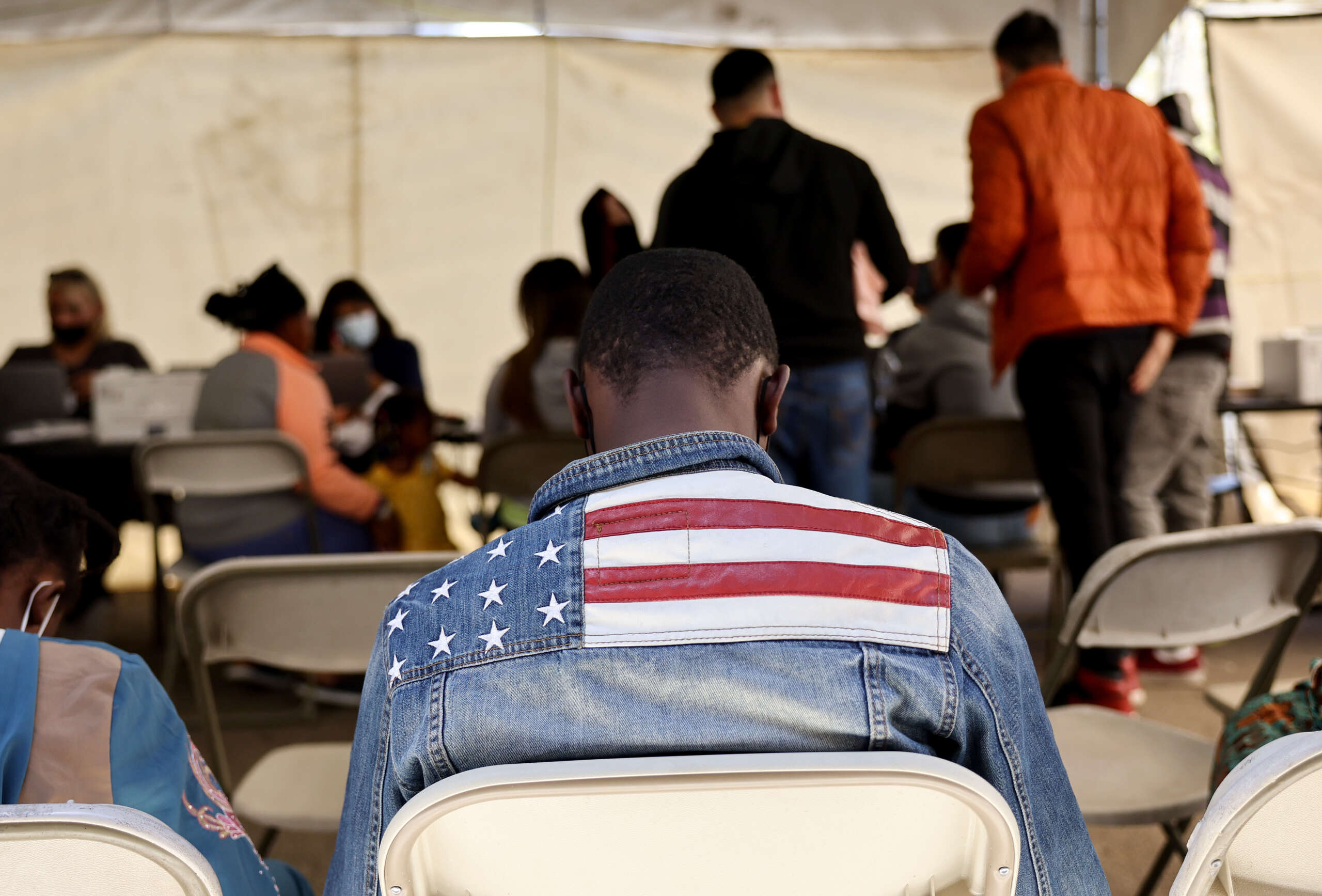
An immigrant from Ghana wore an American flag jacket at a migrant transition center after release from Border Patrol custody following a U.S. border crossing. Many Ghanaians in the United States hold legal status, including green cards or stays of removal, yet enforcement and political shifts have produced pervasive fear and caution. A man with a green card began avoiding public interaction and movement after President Donald Trump took office. In Kpone, Ghana, Gladys Adgy balances sporadic construction and market work while raising an 11-year-old son and pursuing a U.S. visa since 2019 amid limited earnings. Economic insecurity and the prospect of migration influence daily life and employment choices.
Read at Truthout
Unable to calculate read time
Collection
[
|
...
]