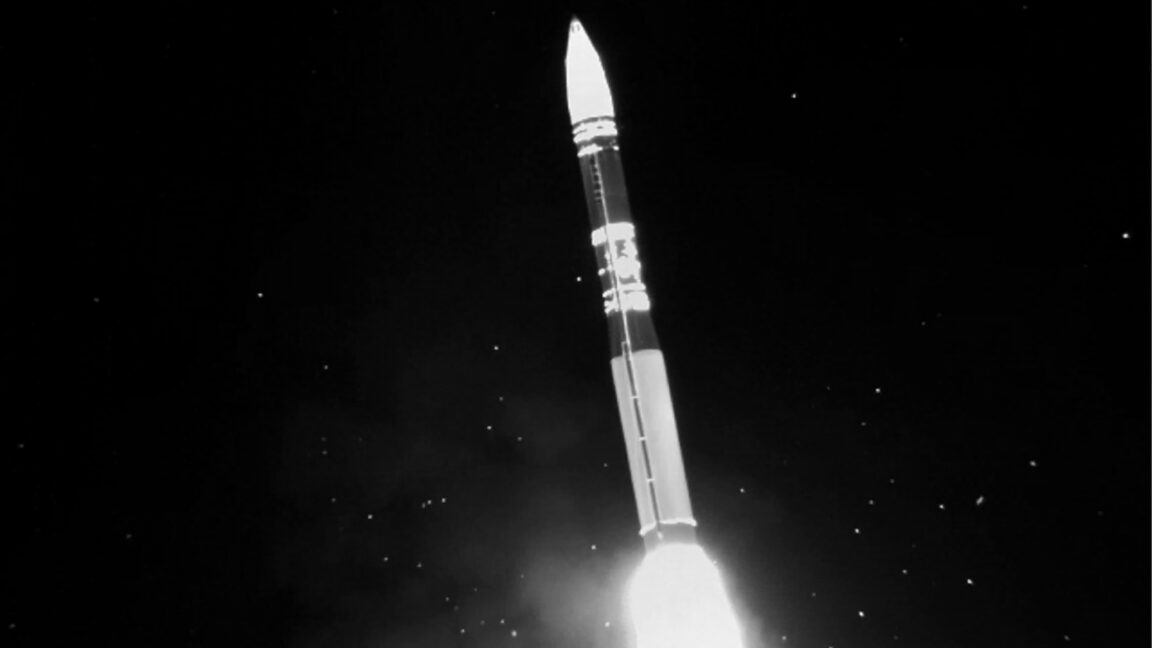
"The LGM-35A Sentinel will replace the Air Force's Minuteman III fleet, in service since 1970, with the first of the new missiles due to become operational in the early 2030s. But it will take longer than that to build and activate the full complement of Sentinel missiles and the 450 hardened underground silos to house them."
"Two years ago, the Air Force announced the Sentinel program's budget had grown from $77.7 billion to nearly $141 billion. This was after something known as a "Nunn-McCurdy breach," referring to the names of two lawmakers behind legislation mandating reviews for woefully overbudget defense programs."
"Until February 5, the Air Force was barred from fitting ballistic missiles with Multiple Independently targetable Reentry Vehicles (MIRVs) under the constraints of the New START nuclear arms control treaty cinched by the US and Russia in 2010. The treaty expired three weeks ago, opening up the possibility of packaging each Sentinel missile with multiple warheads, not just one."
The US Air Force's new Sentinel intercontinental ballistic missile is progressing toward its first test flight in the coming year, with initial operational deployment expected in the early 2030s. The Sentinel will replace the Minuteman III fleet that has served since 1970. The program involves constructing 450 hardened underground silos across the Great Plains. The project's budget has nearly doubled from $77.7 billion to $141 billion, triggering a Nunn-McCurdy breach review. Military officials have not disclosed final costs, deployment timelines for all missiles, or specific warhead capacity. With the New START treaty expiring in February, the Air Force can now explore equipping Sentinel missiles with multiple independently targetable warheads rather than single warheads.
#sentinel-icbm-program #nuclear-weapons-development #defense-budget-overruns #new-start-treaty #military-infrastructure
Read at Ars Technica
Unable to calculate read time
Collection
[
|
...
]