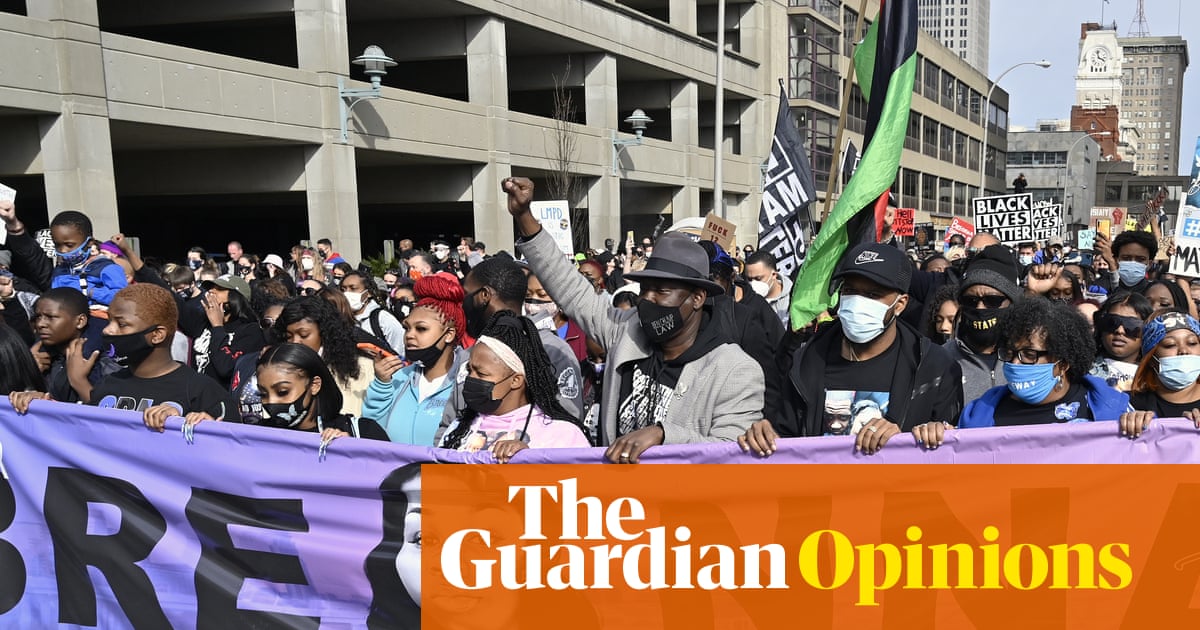
"For a brief moment after Taylor's death on 13 March 2020, the country seemed to grasp the danger of no-knock warrants and raids, the tactic that allowed police to enter Taylor's home. Her killing forced Americans to confront something many had never heard of: no-knock warrants, which allow officers to enter homes without announcing themselves, often in the middle of the night, in the belief that warning residents might allow suspects to destroy evidence or escape."
"A door breaks open. Someone inside believes a home invasion is under way. Someone else believes they are executing a lawful warrant. The distance between those two understandings can collapse in seconds, exploding into gunfire."
"While no officer was held criminally responsible for Taylor's death, Louisville banned no-knock warrants entirely. Kentucky, along with other states and municipalities, also imposed limits. The justice department tightened its rules governing when federal agents could seek such warrants."
Breonna Taylor, a 26-year-old emergency room technician, was killed on March 13, 2020, when Louisville police executed a no-knock warrant at her apartment. Officers forced open her door without clear announcement, creating confusion inside. Her boyfriend Kenneth Walker, believing intruders had entered, fired one shot. Police responded with at least 10 shots, striking Taylor multiple times fatally. No-knock warrants allow police to enter homes without announcing themselves, typically at night, based on the belief that warning residents prevents evidence destruction or escape. Taylor's death exposed the inherent dangers of such tactics, where the gap between perceived home invasion and lawful warrant execution can collapse into violence within seconds. Her killing prompted significant policy responses, including Louisville's complete ban on no-knock warrants and restrictions implemented by Kentucky, other states, municipalities, and the federal justice department.
Read at www.theguardian.com
Unable to calculate read time
Collection
[
|
...
]