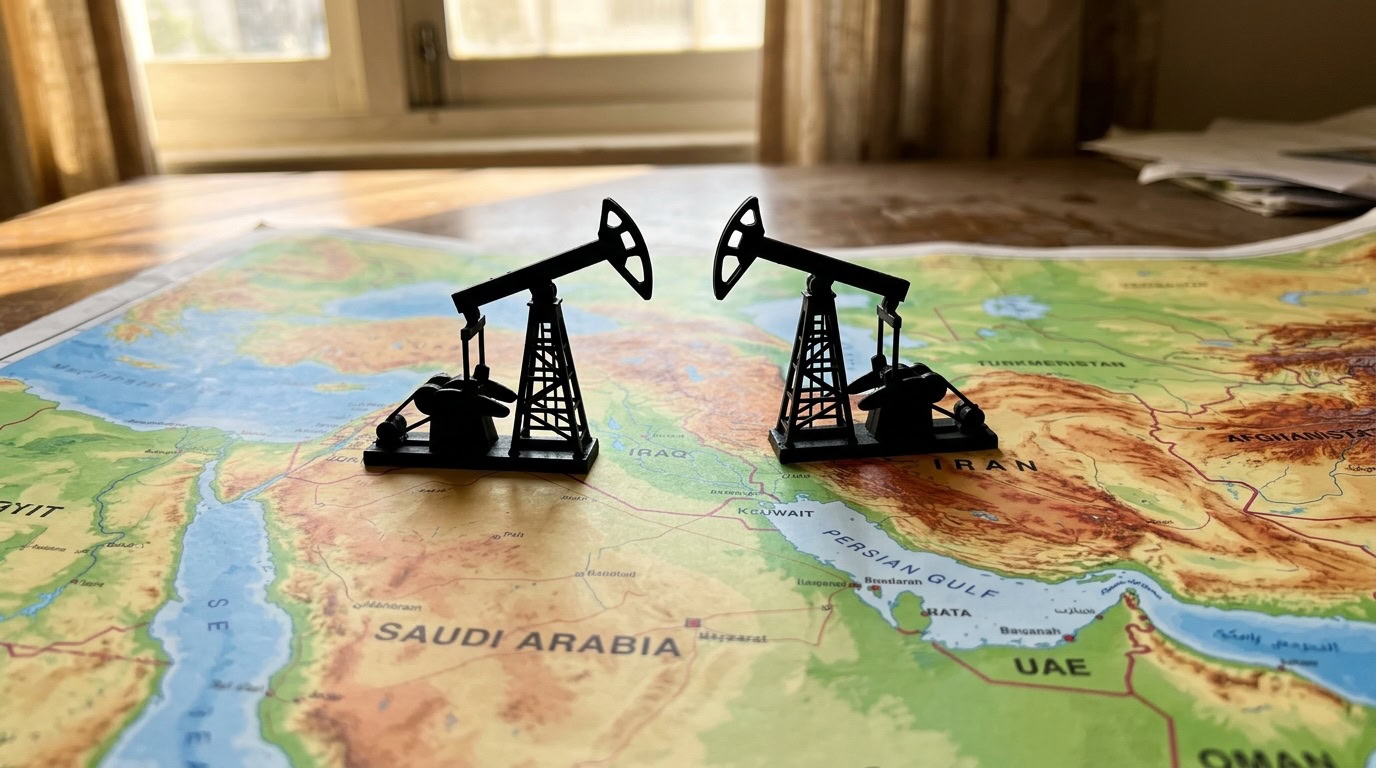
Oil prices have escalated dramatically to $96 per barrel following the Iran war's closure of the Strait of Hormuz, which handles approximately 20% of global daily oil supply. Analysts and the Financial Times are discussing potential prices reaching $200 per barrel, with Stifel noting this scenario is no longer unthinkable. This energy crisis poses substantial risks to retail stocks and consumer spending patterns. Target faces particular vulnerability due to its heavy revenue concentration in discretionary categories including apparel, home furnishings, and hardlines. Five Below confronts dual pressures from import-dependent merchandise and freight cost increases. Dollar General serves lower-income consumers most vulnerable to budget constraints from elevated fuel costs.
"Oil is sitting at $96 a barrel as of March 13, 2026, up from $71 just ten days ago. The Iran war has effectively closed the Strait of Hormuz, through which roughly 20% of the world's daily oil supply flows. Analysts and the Financial Times are now openly discussing a path to $200 crude. Stifel noted as recently as March 6 that $200 oil is 'no longer unthinkable.'"
"Target's revenue skews heavily toward discretionary categories: apparel at $4.10B, home furnishings at $4.82B, and hardlines at $6.02B in the most recent fiscal year. When gas eats deeper into household budgets, those are the first categories cut. Target is already down 3.83% over the past week, and comparable store sales fell 3.9% last quarter."
"Five Below looks like a trade-down beneficiary on the surface, but the reality is more complicated. Its merchandise is heavily import-dependent, with significant China sourcing exposure. An oil shock that disrupts global shipping raises freight costs on the very goods Five Below needs to keep prices at $5 and under."
#oil-price-crisis #retail-stock-risk #consumer-spending-impact #supply-chain-disruption #discretionary-retail-exposure
Read at 24/7 Wall St.
Unable to calculate read time
Collection
[
|
...
]