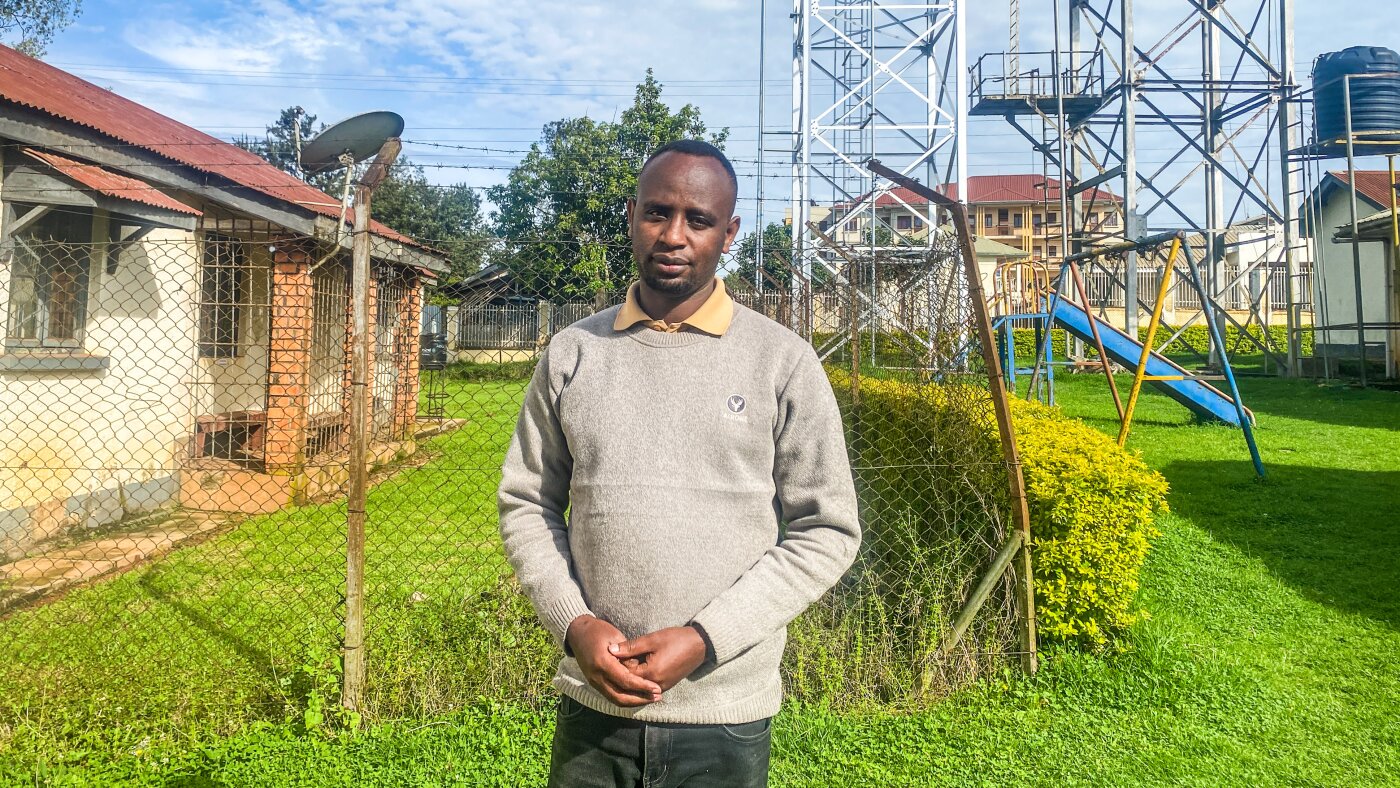
"Harerimana Ismail, who has worked as a community health worker for eight years, continues to visit families to ensure children with HIV are receiving their medications and support, despite not being paid since the Trump Administration paused foreign aid in January 2025."
"Ismail, who contracted HIV at birth, emphasizes his commitment to helping others, stating, 'It's just because I understand the pain young people living with HIV pass through—that's why I remain.'"
"Preliminary figures from the U.S. government suggest that global HIV treatment levels have remained stable, with only a 100,000 person decrease in treatment despite concerns of a major collapse following foreign aid cuts."
"Jeff Imai-Eaton, an associate professor of epidemiology, notes, 'The most severe outcomes that we were concerned about haven't come to pass,' indicating a more positive outlook on HIV treatment efforts than initially feared."
Harerimana Ismail, a community health worker in Uganda, has not received a paycheck since January 2025 due to U.S. foreign aid cuts. Despite this, he continues to support children with HIV, motivated by his own experience with the disease. He survives on his garden produce and has lost weight over the past year. New data indicates that the impact of foreign aid cuts on global HIV treatment levels has been less severe than anticipated, with only a slight decrease in the number of people receiving treatment.
Read at www.npr.org
Unable to calculate read time
Collection
[
|
...
]