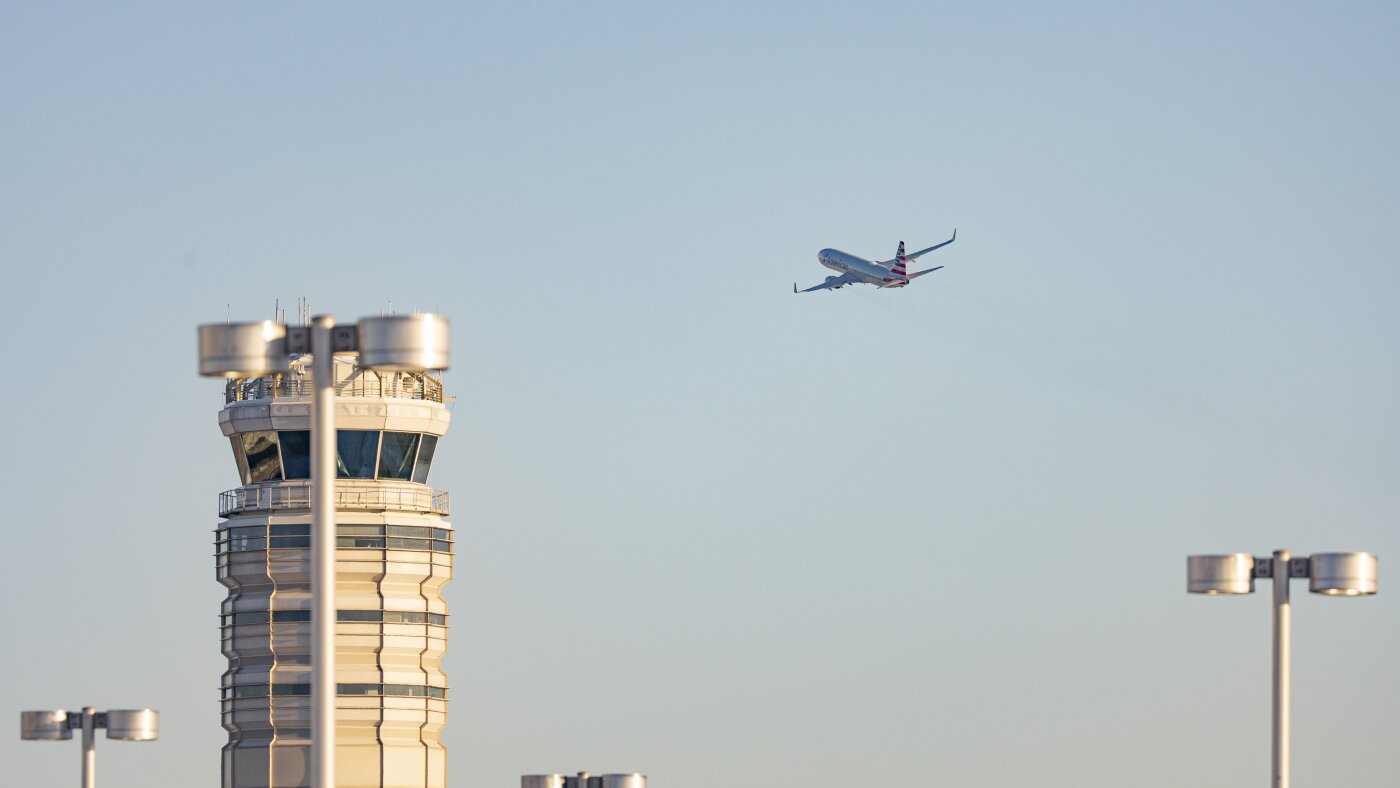
The Federal Aviation Administration has tightened safety regulations in congested airspace near major airports by suspending visual separation between helicopters and aircraft. This decision follows the January 2024 collision between a U.S. Army Black Hawk Helicopter and an American Airlines regional jet near Ronald Reagan Washington National Airport that killed 67 people, plus two additional near-miss incidents in San Antonio and Los Angeles. The FAA determined that visual separation, where air traffic controllers warn pilots to avoid nearby aircraft through visual observation, is insufficient as a safety tool in high-traffic areas. Controllers must now use radar to actively manage aircraft separation at specific distances. The National Transportation Safety Board's investigation identified overreliance on visual separation and ineffective pilot-applied visual separation as contributing factors to the Washington collision.
"We are proactively mitigating risks before they affect the traveling public. We identified an overreliance on pilot 'see and avoid' operations that contribute to safety events involving helicopters and airplanes. Visual separation is not enough of a safety mitigation tool in high-traffic areas."
"In its final report on the midair collision near Washington, the National Transportation Safety Board blamed the crash in part on the air traffic system's overreliance on visual separation, as well as the lack of effective pilot-applied visual separation by the helicopter crew. Investigators say the helicopter's crew likely never saw the plane before the collision."
#aviation-safety #faa-regulations #air-traffic-control #midair-collision-prevention #radar-based-separation
Read at www.npr.org
Unable to calculate read time
Collection
[
|
...
]